
Engineering Health
Delivering transformative healthcare solutions for a new era
We’re seamlessly integrating engineering with biology, clinical practice, data science, and AI to create innovative solutions for maintaining wellness, preventing disease, and treating illness more effectively, economically, and equitably.
NYU is forging a transformative path in health engineering by converging its exceptional strengths in engineering, medicine, basic sciences, math, data science, and dentistry. Spearheaded by the cross-disciplinary Institute for Engineering Health — co-led by Tandon and NYU Langone with a dynamic dual presence in Brooklyn and Manhattan along with strategic global partnerships — NYU is tackling critical challenges in immunoengineering and biomedical engineering with a focus on translation, scalability, and societal impact.
Vertically Integrated Projects
Vertically Integrated Projects (VIP) are multi-year, multidisciplinary projects that emphasize innovative and research-active education.
Creating Connections
Project Mjolnir (GY)
Applied Global Public Health Initiative
Latest Stories & Events

Research Institutes and Labs
Institute for Engineering Health
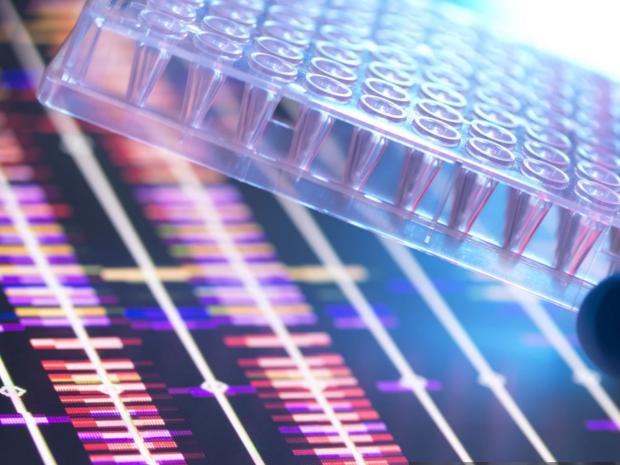
NYU’s Institute for Engineering Health unites and blends expertises in translation biosciences from the Tandon School of Engineering and Langone Health/Grossman School of Medicine, in collaboration with the College of Arts and Sciences, School of Dentistry, and Courant Institute. This cross-disciplinary effort integrates engineering, medicine, and the biological sciences to advance healthcare discovery, prevention, and treatment.

Biomechatronics and Intelligent Robotics Lab
Research focuses on innovative robotic technologies to assist people in areas like walking, surgery, and rehabilitation. Sample projects include a reinforcement learning-powered exoskeleton that reduces human energy use, a versatile catheter robot for safer surgeries, and MRI-guided robots to improve prostate cancer biopsies.
Clinical Biophotonics Laboratory
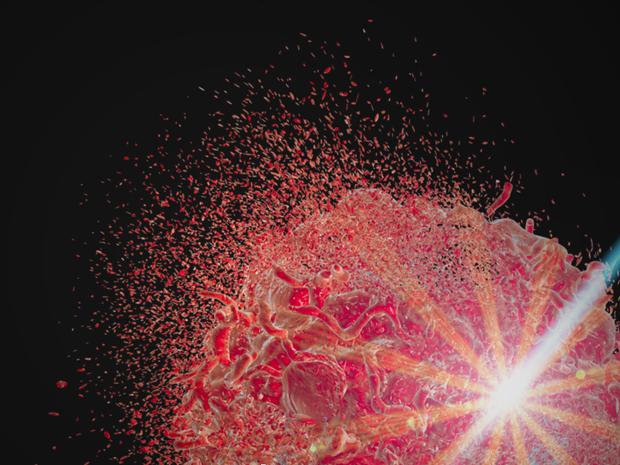
Professor Andreas Hielscher’s team focuses on developing clinically relevant optical tomographic imaging systems. They apply these devices and wearable electronics to the diagnosis and treatment of various diseases, such as breast cancer, arthritis, peripheral artery disease, diabetic foot syndrome, and real-time monitoring of brain activities.
Computational Medicine Laboratory
Professor Rose Faghih group develops biomedical signal processing and control algorithms for human-technology interactions and monitoring. These state-of-the-art tools are employed for prognosis, diagnosis, and treatment of pathological conditions related to neuro-endocrine and neuro-psychiatric disorders.
Digital Health Work
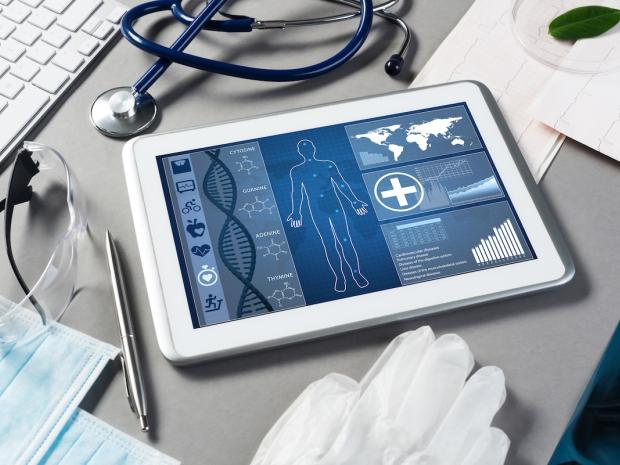
The Digital Health Work initiative, directed by Professor Oded Nov, is an interdisciplinary research program at NYU that brings together technological, organizational, and medical innovations toward a healthy and resilient society, and an inclusive healthcare workforce.
Laboratory for Advanced Neuroengineering and Translational Medicine
Professor Khalil Ramadi and his team develop innovative approaches for the modulation of neural activity throughout the body. The goal is to come up with novel therapies for neurologic, metabolic, and immune disorders. They combine mechanical, electrical, materials, and bio-engineering toolkits in the design of minimally invasive technologies.
Maimon Lab
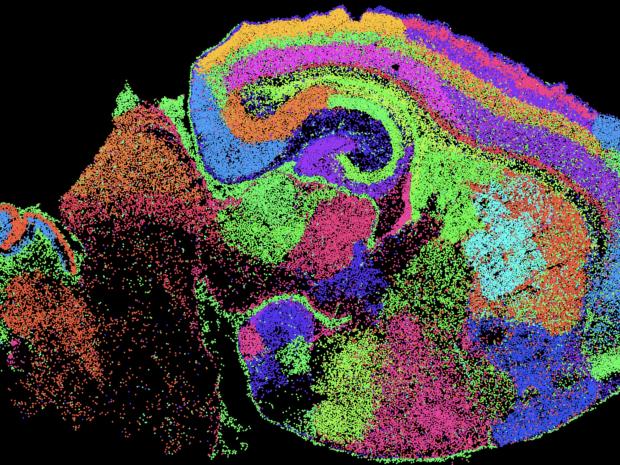
At the Maimon Lab, we harness the creativity of science and engineering to reprogram the brain for regeneration. By awakening dormant endogenous neural stem cells and unleashing their suppressed regenerative potential, we aim to transform neurodegenerative diseases such as Huntington’s Disease and Amyotrophic Lateral Sclerosis into treatable conditions, while mentoring the next generation of engineer-neurobiologists who see science as both a craft and a calling.
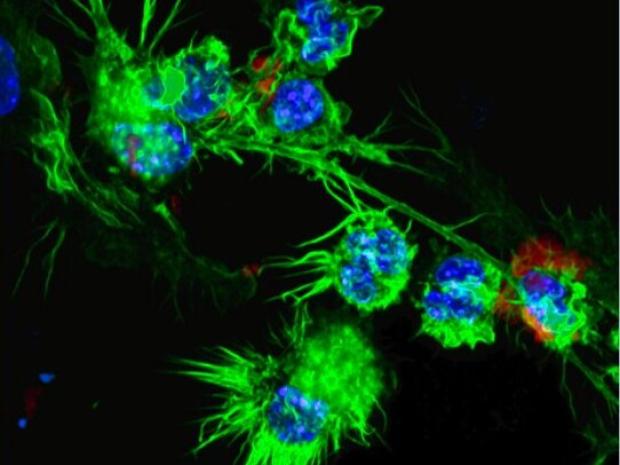
NanoBioEngineering for tissue reprogramming and regeneration
Our lab designs, develops, and applies nanoscale and bioengineering tools to understand and manipulate cell fate and function. Our ultimate goal is to help the body regenerate better.