

Biomedical Engineering
Biomedical engineers design and develop products, systems and processes to improve human health.

Jeffrey Hubbell
Jeffrey Hubbell, Vice President of Bioengineering Strategy at NYU and Professor of Chemical and Biomolecular Engineering at NYU Tandon, serves as the Interim Chair of the Biomedical Engineering department. Hubbell, who leads the NYU Institute for Engineering Health, is a pioneer in the field of immuno-modulatory materials whose research spans biology, chemistry, and engineering to generate novel solutions to common health problems. His work focuses on using biomaterials and engineered proteins to enhance the body’s own immune system to fight inflammatory and autoimmune disorders, allergies, and disease states like cancers. His research has led to more than 400 papers and 100 issued US patents.
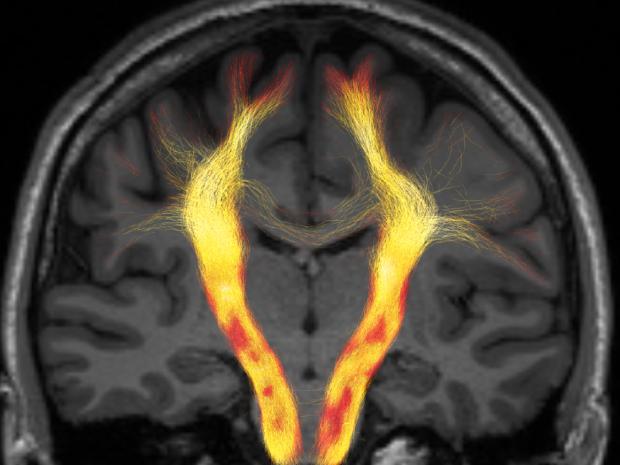
Our faculty and students focus on connecting engineering and technology with medicine. They create new approaches and tools for medical imaging, tissue engineering and repair, bioinstrumentation and biosensors, mechanobiology, robotics and prosthetics, computational medicine, systems genetics, and a wide variety of other applications.
If you are interested in working with a multidisciplinary team of engineers, scientists and physicians to enhance the health and wellness of patients worldwide, biomedical engineering is the course of study for you.
Departmental Information




Featured Faculty

Jeffrey A. Hubbell

Rose Faghih

Roy Maimon