
Industrial, Urban & Environmental Sustainability
Sustainable engineering solutions for a world in transition
Environmental and societal challenges demand technological advances that enhance both efficiency and resilience while supporting economic prosperity. NYU Tandon engineers are developing breakthrough technologies that bring sustainability advances across all industries to our cities, and enhance our environmental resilience. The technologies range from sustainable chemical manufacturing and materials circularity for plastics and energy materials, to systems design that helps integrate clean energy across sectors at national and global scales. Our researchers are designing the smart buildings of the future, advancing water sustainability approaches to mitigate pollution, and building AI-enhanced earth systems models to mitigate natural disaster risks — from flooding to wildfires. Leveraging advances in machine learning and automation, our teams are fundamentally accelerating discovery and technological development, inherently creating superior solutions that don't compromise environmental sustainability while delivering enhanced performance and economic value. Our Sustainable Engineering Initiative is aimed at developing engineering solutions to avoid, mitigate, and remediate emissions responsible for climate change and environmental contamination, as well as engineering strategies to evaluate the impact of and adapt to these environmental challenges.
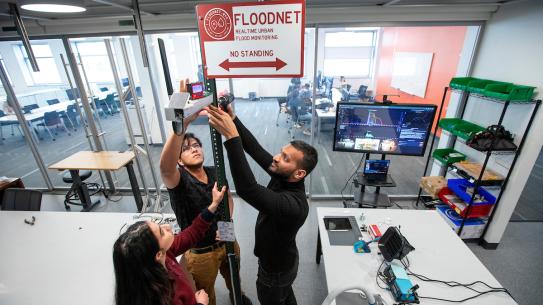
Tandon's approach to sustainability is intrinsically pragmatic and integrates comprehensive risk management of technology transition across multiple dimensions — from financial transition risks and infrastructure vulnerabilities to threats to human health and environmental systems. Our positioning allows us to integrate cutting-edge engineering research with NYU's expertise across basic science, law, business, and medicine, ensuring that our innovations develop alongside crucial insights into social, economic, and policy impacts. From our Future Labs startup incubation programs that support the development of spin-off companies to our deep connections with NYC's rich urban ecosystem, we're not just creating advanced technologies — we're fostering complete solutions that systematically address risks to protect environmental and human health while strengthening economic welfare.
Academic Programs
UndergraduateBachelor's Degrees
Master's Degrees
Doctorate Degrees
+ Available Online and On Campus
Hands-on Learning: Vertically Integrated Projects
Vertically Integrated Projects (VIP) are multi-year, multidisciplinary projects that emphasize innovative and research-active education. Learn about some of our VIP teams involved in Industrial, Urban & Environmental Sustainability.

Offshore Wind Platforms & Research (GY)
Chem-E Car
Urban Food Lab

Smart Chemical Emission Navigation Tracker (SCENT)
Latest Stories & Events

Research Centers and Labs
C2SMART
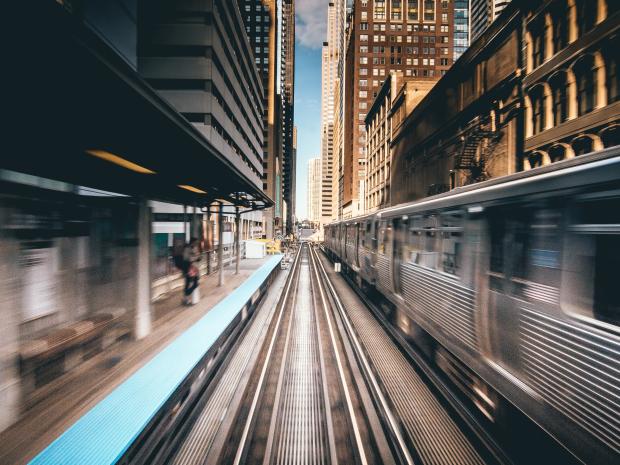
C2SMART is a solution-oriented research center taking on some of today's most pressing urban mobility challenges.
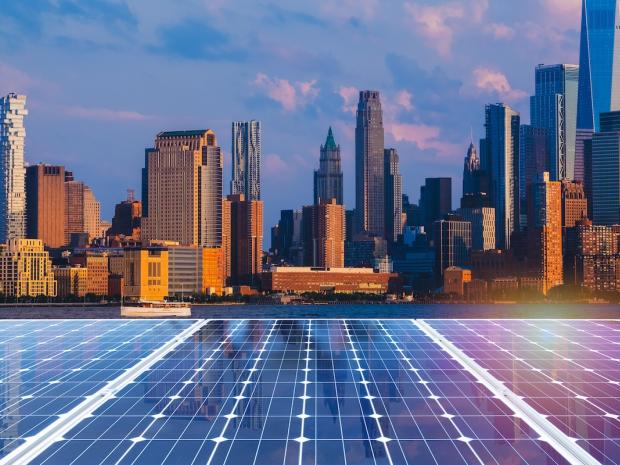
Sustainable Engineering Initiative
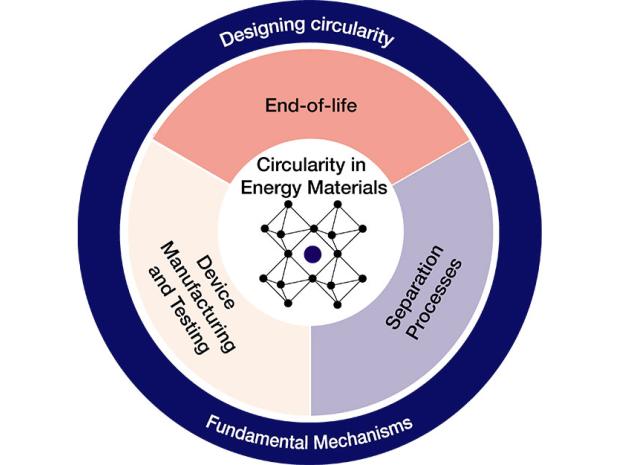
Circularity in Energy Materials (CEM)
Our lab addresses the critical challenge of energy material sustainability by focusing on closing their lifecycle through fundamental research and maintaining zero-waste experimental practices.

Climate, Energy, and Risk Analytics Lab
The CERA Lab, directed by Assistant Professor Yuki Miura, advances solutions for climate and hazard related risks through data-driven research. By identifying, quantifying, and mitigating risks, it supports building resilient communities, protecting assets, and supporting institutions and communities, working closely with stakeholders.
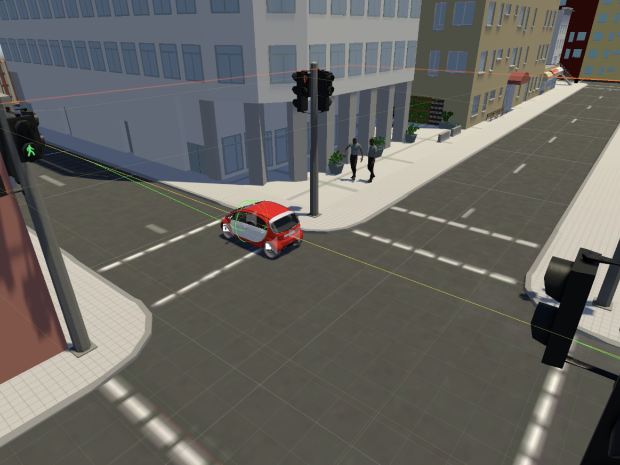
Human FUEL
The Human Factors and Urban Ergonomics Lab (Human FUEL) conducts research primarily on transportation systems focusing on understanding and enhancing human behavior as they interact with complex systems, with the ultimate goal of improving operator safety and reducing injuries and fatalities.
Multifunctional Material Systems Laboratory
Our research lies at the interface of multifunctional material development and electrochemical engineering. Electrochemical devices are ubiquitous to a broad range of energy conversion technologies and chemical processes.

Ruyle Lab
The Ruyle lab examines how human activity, the biosphere, and climate change impact water quality. Our lab uses controlled experiments and environmental measurements to build models describing the severity and impacts of chemical contamination. Our goal is to protect safe water and ensure healthy ecosystems and communities.

Silverman Laboratory
The Silverman Laboratory conducts research to understand and design sustainable and appropriate wastewater treatment process, in an effort to protect public health and environmental quality.
Smart Innovations in Built Environment Research (SiBER) Lab
Smart Innovations in Built Environment Research (SiBER) Lab, led by Mohamad Awada, explores the integration of AI, machine learning, and digital technologies to enhance the performance, resilience, and sustainability of civil infrastructure. The lab focuses on digital twins, smart monitoring, and data-driven solutions for structural assessment and urban systems.

Urban Flooding Group
In a climate-changed world, flooding is expected to have an outsized influence on public health and infrastructure in urban areas. We are looking to develop a publicly- accessible platform that provides real-time flood information and to investigate changes to the microbiome.
Urban Planet Lab
Cities extend their influence far beyond their physical boundaries, affecting ecosystems, climate, and societies worldwide. The Urban Planet Lab, directed by Assistant Professor Anamika Shreevastava, studies the dynamics and impacts of urbanization at multiple scales—from local neighborhoods to global systems—to better understand and address the complex challenges of our increasingly urbanized world.