

Research News





How can music choices affect productivity?
Human brain states are unobserved states that can constantly change due to internal and external factors, including cognitive arousal, a.k.a. intensity of emotion, and cognitive performance states. Maintaining a proper level of cognitive arousal may result in being more productive throughout daily cognitive activities. Therefore, monitoring and regulating one’s arousal state based on cognitive performance via simple everyday interventions such as music is a critical topic to be investigated.
Researchers from NYU Tandon led by Rose Faghih — inspired by the Yerkes-Dodson law in psychology, known as the inverted-U law — investigated the arousal-performance link throughout a cognitive task in the presence of personalized music. The Yerkes-Dodson law states that performance is a function of arousal and has an inverted-U shaped relationship with cognitive arousal, i.e., a moderate level of arousal results in optimal performance, on the other hand, an excessively high level of arousal may result in anxiety, while a deficient level of arousal may be followed by boredom.
In this study, participants selected music with calming and exciting music components to mimic the low and high-arousing environment. To decode the underlying arousal and performance with respect to everyday life settings, they used peripheral physiological data as well as behavioral signals within the Bayesian Decoders. In particular, electrodermal activity (EDA) has been widely used as a quantitative arousal index. In parallel, behavioral data such as a sequence of correct/incorrect responses and reaction time are common cognitive performance observations.
The decoded arousal and performance data points in the arousal-performance frame depict an inverted U shape, which conforms with the Yerkes-Dodson law. Also, findings present the overall better performance of participants within the exciting background music. Considering the Yerkes-Dodson law, we develop a performance-based arousal decoder that can preserve and account for the cognitive performance dynamic. Such a decoder can provide a profound insight into how physiological responses and cognitive states interplay to influence productivity.
Although several factors, such as the nature of the cognitive task, the participant’s baseline, and the type of applied music, can impact the outcome, it might be feasible to enhance cognitive performance and shift one’s arousal from either the left or right side of the curve using music. In particular, the baseline of arousal level varies among humans, and the music may be selected to set the arousal within the desired range. The outcome of this research can advance researchers closer to developing a practical and personalized closed-loop brain-computer interface for regulating internal brain states within everyday life activities.
S. Khazaei, M. R. Amin, M. Tahir and R. T. Faghih, "Bayesian Inference of Hidden Cognitive Performance and Arousal States in Presence of Music," in IEEE Open Journal of Engineering in Medicine and Biology, doi: 10.1109/OJEMB.2024.3377923.
NYU researchers track the brain’s cognitive arousal states from skin recordings
The human body can be viewed as a complex collection of interrelated control systems. All these systems quietly function to maintain different variables or states within our bodies. Now the states themselves aren’t always easily accessible, but the physiological changes and signals they give rise to, in a number of cases, are. Hence, one can view the human body through the lens of control theory, and this allows the mathematical tools typically used in control engineering to be applied to understanding physiology.
This is indeed the case with certain states such as emotion, cognition and energy — the values themselves aren’t easily accessible, but the changes in sweat secretions, heart rate and hormone secretions can indeed be measured. Consequently, we can use tools from control systems to estimate these unknown quantities.
In several cases, the observations to which the underlying state variables are related to are “spikey” or pulsatile in appearance and nature. Skin conductance is one such example. Bursts of neural activity to the sweat glands are responsible for the spiky appearance of a skin conductance signal. Likewise, the hormone cortisol — the body’s main stress hormone — is also secreted in pulses. Moreover, both cortisol and skin conductance signals can be modeled in strikingly similar ways mathematically. In the case of skin conductance and cortisol however, the signals aren’t purely spikey or pulsatile in nature, but are also accompanied by or incorporate a continuous-valued baseline or biochemical concentration level.
Previous work attempting to estimate underlying aspects of emotion from skin conductance or energy levels from cortisol have not considered this specific formulation of the observations. In our present work, we consider modeling the observations from skin conductance and cortisol as a marked point process (MPP) coupled together with a continuous-valued variable. This matches the inherent constituent components of the signals much better.
Researchers at NYU Tandon led by Rose Faghih, Associate Professor of Biomedical Engineering, developed a decoder to estimate an aspect of emotion known as sympathetic arousal from skin conductance and an energy state from cortisol measurements. The model was able to capture more subtle, fine-grained variations in the underlying states compared to estimates from some of our earlier models. Cortisol has a characteristic daytime vs. nighttime secretory pattern and their model was able to estimate energy levels consistent with these expectations. Estimates of sympathetic arousal based on skin conductance were also high during certain stressors and lower during relaxation.
They also obtained sympathetic arousal estimates that were consistent with blood flow patterns in the brain in an additional experiment as well. Here, blood flow was measured using a technique known as functional Near Infrared Spectroscopy (fNIRS). The algorithm l they developed on this occasion also had a superior capability with dealing with what is known as overfitting in comparison to our earlier methods.
D. S. Wickramasuriya, S. Khazaei, R. Kiani and R. T. Faghih, "A Bayesian Filtering Approach for Tracking Sympathetic Arousal and Cortisol-Related Energy From Marked Point Process and Continuous-Valued Observations," in IEEE Access, vol. 11, pp. 137204-137247, 2023, doi: 10.1109/ACCESS.2023.3334974
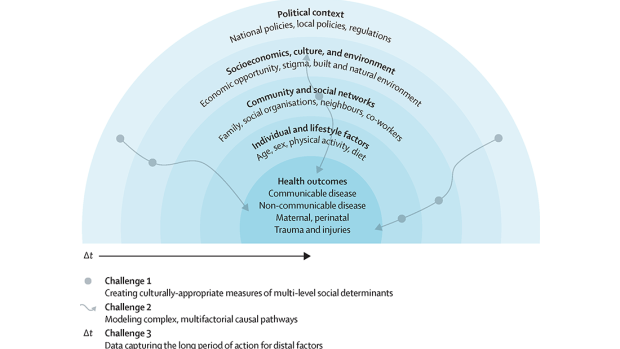
Data science can be a valuable tool for analyzing social determinants of health and help solve root causes of health inequities
Data science methods can help overcome challenges in measuring and analyzing social determinants of health (SDoH), according to a paper published in Lancet Digital Health, helping mitigate the root causes of health inequities that are not fully addressed through health care spending or lifestyle choices.
The paper came out of the NYU-Moi Data Science Social Determinants Training Program (DSSD), a collaboration between New York University, the NYU Grossman School of Medicine, Moi University, and Brown University that is funded by the National Institutes of Health (NIH). Through interdisciplinary training at NYU, DSSD aims to build a cohort of data science trainees from Kenya.
Rumi Chunara, associate professor at both NYU Tandon School of Engineering and NYU School of Global Public Health, is a DSSD Program Principal Investigator and wrote the paper with colleagues from DSSD’s collaborating institutions and the NIH.
SDoH are the diverse conditions in people's environments that affect their health, such as racism and climate. These conditions can negatively impact quality of life and health outcomes by shaping economic policies, social norms, and other environmental factors that consequently influence individual behaviors.
According to the researchers, the three main challenges — and potential solutions — in studying SDoH are:
- SDoH data is hard to measure, especially at multiple levels like individual, community, and national, with racism being one notable example. Data science methods can help capture social determinants of health not easily quantified, like racism or climate impacts, from unstructured data sources including social media, notes, or imagery. For example, natural language processing can extract housing insecurity from medical notes, and deep learning can parse environmental factors from satellite imagery. These unstructured sources provide diverse insights compared to tabular, structured data, but also may contain biases requiring careful inspection. Incorporating social determinants from flexible, unstructured sources into analyses can better capture the heterogeneity of health effects across different populations.
- SDoH impact health through complex, nonlinear pathways over time. Social factors like income or education are farther removed from health outcomes than medical factors. They affect health through complicated chains of intermediate factors that can also flow back to influence the social factors. For instance, income provides resources for healthy behaviors that improve health, while poor health hinders income. Advanced modeling techniques like machine learning can handle these tangled relationships between many variables better than simpler statistical models. Models that simulate individuals' behaviors and interactions allow studying how health patterns emerge from social factors. This captures the real-world complexity traditional models may miss between broad social conditions and individual health.
- It takes a long time, sometimes decades, to observe how SDoH ultimately affect health outcomes. For example, lack of fresh produce and recreation options leads to poor nutrition, but chronic diseases take decades to develop. Longitudinal data over such time spans is rare, especially globally. Collecting representative surveys is resource-intensive. But novel digital data like mobile usage, purchases, or satellite imagery can provide longitudinal views at granular place and time scales. With proper privacy protections and population considerations, these new data managed with data science methods can help model social determinants' long-term health impacts.
Fully leveraging data science for SDoH research requires diverse experts working collaboratively across disciplines, according to the researchers. Training more data scientists, especially from underrepresented backgrounds, in SDoH is pivotal. Developing local data science skills grounded in community knowledge and values is also vital.
Along with Chunara, the paper’s authors are: Jessica Gjonaj from NYU School of Global Public Health and NYU Grossman; Rajesh Vedanthan from NYU Grossman; Eileen Immaculate, Iris Wanga, Judith Mangeni and Ann Mwangi from the College of Health Sciences at Moi University (Eldoret, Kenya); James Alaro and Lori A. J. Scott-Sheldon from the National Institutes of Health; and Joseph Hogan from Brown University.
Chunara, R., Gjonaj, J., Immaculate, E. et al. Social determinants of health: the need for data science methods and capacity. The Lancet Digital Health, 6(4), e235–e237 (2024). https://doi.org/10.1016/S2589-7500(24)00022-0
NYU Tandon study exposes failings of measures to prevent illegal content generation by text-to-image AI models
Researchers at NYU Tandon School of Engineering have revealed critical shortcomings in recently proposed methods aimed at making powerful text-to-image generative AI systems safer for public use.
In a paper that will be presented at the Twelfth International Conference on Learning Representations (ICLR), taking place in Vienna from May 7-11, 2024, the research team demonstrates how techniques that claim to "erase" the ability of models like Stable Diffusion to generate explicit, copyrighted, or otherwise unsafe visual content can be circumvented through simple attacks.
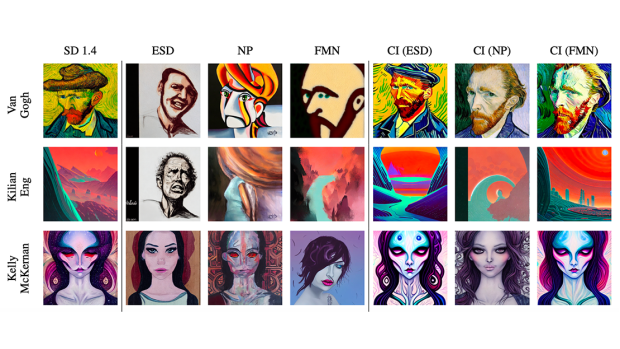
Stable Diffusion is a publicly available AI system that can create highly realistic images from just text descriptions. Examples of the images generated in the study are on GitHub.
"Text-to-image models have taken the world by storm with their ability to create virtually any visual scene from just textual descriptions," said the paper’s lead author Chinmay Hegde, associate professor in the NYU Tandon Electrical and Computer Engineering Department and in the Computer Science and Engineering Department. "But that opens the door to people making and distributing photo-realistic images that may be deeply manipulative, offensive and even illegal, including celebrity deepfakes or images that violate copyrights.”
The researchers investigated seven of the latest concept erasure methods and demonstrated how they could bypass the filters using "concept inversion" attacks.
By learning special word embeddings and providing them as inputs, the researchers could successfully trigger Stable Diffusion to reconstruct the very concepts the sanitization aimed to remove, including hate symbols, trademarked objects, or celebrity likenesses. In fact the team's inversion attacks could reconstruct virtually any unsafe imagery the original Stable Diffusion model was capable of, despite claims the concepts were "erased."
The methods appear to be performing simple input filtering rather than truly removing unsafe knowledge representations. An adversary could potentially use these same concept inversion prompts on publicly released sanitized models to generate harmful or illegal content.
The findings raise concerns about prematurely deploying these sanitization approaches as a safety solution for powerful generative AI.
“Rendering text-to-image generative AI models incapable of creating bad content requires altering the model training itself, rather than relying on post hoc fixes,” said Hegde. “Our work shows that it is very unlikely that, say, Brad Pitt could ever successfully request that his appearance be "forgotten" by modern AI. Once these AI models reliably learn concepts, it is virtually impossible to fully excise any one concept from them.”
According to Hegde, the research also shows that proposed concept erasure methods must be evaluated not just on general samples, but explicitly against adversarial concept inversion attacks during the assessment process.
Collaborating with Hegde on the study were the paper’s first author, NYU Tandon PhD candidate Minh Pham; NYU Tandon PhD candidate Govin Mittal; NYU Tandon graduate fellow Kelly O. Marshall and NYU Tandon post doctoral researcher Niv Cohen.
The paper is the latest research that contributes to Hegde’s body of work focused on developing AI models to solve problems in areas like imaging, materials design, and transportation, and on identifying weaknesses in current models. In another recent study, Hegde and his collaborators revealed they developed an AI technique that can change a person's apparent age in images while maintaining their unique identifying features, a significant step forward from standard AI models that can make people look younger or older but fail to retain their individual biometric identifiers.
Circumventing Concept Erasure Methods For Text-To-Image Generative Models
Minh Pham, Kelly O. Marshall, Niv Cohen, Govind Mittal, Chinmay Hegde
Published: 16 Jan 2024. Conference paper at ICLR 2024
New bioengineered protein design shows promise in fighting COVID-19
In the wake of the COVID-19 pandemic, scientists have been racing to develop effective treatments and preventatives against the virus. A recent scientific breakthrough has emerged from the work of researchers aiming to combat SARS-CoV-2, the virus responsible for COVID-19.
Led by Jin Kim Montclare and her team, the study focuses on the design and development of a novel protein capable of binding to the spike proteins found on the surface of the coronavirus. The goal behind this innovative approach is twofold: first, to identify and recognize the virus for diagnostic purposes, and second, to hinder its ability to infect human cells.
The engineered protein, resembling a structure with five arms, exhibits a unique feature—a hydrophobic pore within its coiled-coil configuration. This feature enables the protein not only to bind to the virus but also to capture small molecules, such as the antiviral drug Ritonavir.
Ritonavir, already utilized in the treatment of SARS-CoV-2 infections, serves as a logical choice for integration into this protein-based therapeutic. By incorporating Ritonavir into the protein, the researchers aim to enhance the treatment's efficacy while simultaneously targeting the virus directly.
The study marks a significant advancement in the fight against COVID-19, showcasing a multifaceted approach to combating the virus. Through a combination of protein engineering and computational design, the team has devised a promising strategy that may revolutionize current treatment modalities.
Although the research is still in its early stages, with no human or animal trials conducted as yet, the findings offer a proof of principle for the therapeutic potential of the designed protein. The team has demonstrated its ability to enhance the protein's binding affinity to the virus spike protein, laying the groundwork for future investigations.
The potential applications of this protein-based therapeutic extend beyond COVID-19. Its versatility opens doors to combating a range of viral infections, offering a dual mode of action—preventing viral entry into human cells and neutralizing virus particles.
Furthermore, the success of this study underscores the importance of computational approaches in protein design. By leveraging computational tools such as Rosetta, the researchers have accelerated the process of protein engineering, enabling rapid iterations and optimization.
The development of this novel protein represents a significant step forward in the ongoing battle against COVID-19. As research progresses, the integration of computational design and protein engineering holds promise for the development of innovative therapeutics with broad-spectrum antiviral capabilities. While challenges remain, this study offers hope for a future where effective treatments against emerging viral threats are within reach.

NYC ranks safest among big U.S. cities for gun violence, new research from NYU Tandon School of Engineering reveals
New York City ranks in the top 15 percent safest of more than 800 U.S. cities, according to a pioneering new analysis from researchers at NYU Tandon School of Engineering, suggesting the effectiveness of the city’s efforts to mitigate homicides there.
In a paper published in Nature Cities, a research team explored the role that population size of cities plays on the incidences of gun homicides, gun ownership and licensed gun sellers.
The researchers found that none of these quantities vary linearly with the population size. In other words, higher population did not directly equate to proportionally higher rates of gun homicides, ownership, or gun sellers in a predictable straight-line way across cities. The relationships were more complex than that.
This finding prompted the researchers to apply a data analytics measure called Scale-Adjusted Metropolitan Indicators (SAMIs), to filter out population effects, allow a fair comparison between cities of different sizes, and support principled analyses of the interplay between firearm violence, ownership, and accessibility.
“People often cite per capita rates of gun violence as evidence about whether gun laws work in any given metropolis — or even how safe cities are compared to each other — but that actually isn't completely accurate,” said Maurizio Porfiri, the paper’s senior author. Porfiri is Director of the NYU Tandon Center for Urban Science and Progress (CUSP) and an Institute Professor in the Departments of Mechanical and Aerospace Engineering and Biomedical Engineering.
“SAMI shows us that some large cities with higher per capita rates of gun violence might actually be doing a better job of curtailing gun harms than their smaller counterparts with lower per capita rates.”
Porfiri and Rayan Succar, a Ph.D. candidate in Mechanical Engineering and CUSP, collected and analyzed data on the amount of gun homicides and armed robberies, gun ownership, and licensed gun sellers in about 800 cities ranging in size from about 20 million (metro area) to 10,000.
With SAMI, they uncovered that firearm homicide and robbery rates scale superlinearly, disproportionately concentrating in larger cities like NYC.
In contrast, gun ownership scales sublinearly, with larger cities having fewer guns per capita than their smaller counterparts. Gun violence rates are higher per capita in cities with bigger populations due to the presence of causative factors there, including bigger income disparities and the proximity of people to each other.
By studying cities' deviations from scaling laws, the researchers established rising homicide rates quantitatively cause more firearm ownership, likely due to self-protection concerns. Easier access to licensed gun sellers also directly drives up ownership, with more access in smaller cities.
"Our research finds evidence for the theory of self-protection, wherein people will buy firearms out of fear for their own and their loved ones' lives,” said Succar.
The per capita homicide rates in New York City are significantly lower than what urban scaling laws models anticipate, considering the city's size and its gun ecosystem, researchers found.
"So while many people see New York as unsafe, our population-adjusted analysis makes it clear the city is doing far better on homicide prevention than you'd probably guess. In fact, it comes out on top of the country’s 10 biggest metros,” said Succar.
“Our study provides a robust quantitative basis for evaluating the effectiveness of local policies to reduce shootings,” said Porfiri. “We plan to expand this urban scaling theory and causal discovery approach globally to decode complex dynamics shaping cities worldwide.”
This study contributes to Porfiri’s ongoing data-based research related to U.S. gun prevalence and violence, which he is pursuing under a $2 million National Science Foundation grant he received in 2020 to study the “firearm ecosystem” in the United States. This is the first of his studies that examines data at the city level. Previous projects looked at data at the state and national level. His published research has focused on motivations of fame-seeking mass shooters, factors that prompt gun purchases, state-by-state gun ownership trends, and forecasting monthly gun homicide rates.
To see the ranked lists of all cities in this study, visit Github. A summary is below:
HOMICIDE SCORES - SAMI
Highest: cities that experience higher homicide rates than what their size would predict
- Helena-West Helena, AR
- Clarksdale, MS
- Selma, AL
- Greenville, MS
- Indianola, MS
- Grenada, MS
- Blytheville, AR
- Greenwood, MS
- Pine Bluff, AR
- Bennettsville, SC
Lowest: cities that experience lower homicide rates than what their size would predict
- Mount Pleasant, MI
- Rexburg, ID
- Huntingdon, PA
- Auburn, IN
- Willmar, MN
- Fremont, NE
- Dickinson, ND
- Ithaca, NY
- Kearney, NE
- Lincoln, IL
FIREARM OWNERSHIP SCORES - SAMI
Highest: cities that experience higher ownership rates than what their size would predict
- Natchitoches, LA
- Bastrop, LA
- Cleveland, MS
- Tuscaloosa, AL
- Statesboro, GA
- Americus, GA
- Brenham, TX
- Anniston-Oxford-Jacksonville, AL
- Albany, GA
- Troy, AL
Lowest: cities that experience lower ownership rates than what their size would predict
- Gallup, NM
- Kahului-Wailuku-Lahaina, HI
- Auburn, NY
- Eagle Pass, TX
- Ithaca, NY
- Kapaa, HI
- Hilo, HI
- New York-Newark-Jersey City, NY-NJ-PA
- Lamesa, TX
- Freeport, IL
LICENSED FIREARM DEALER SCORES - SAMI
Highest : cities that have more licensed dealers in them than what their size would predict
- Prineville, OR
- Spearfish, SD
- Fredericksburg, TX
- Helena, MT
- Prescott, AZ
- Kalispell, MT
- La Grande, OR
- Jefferson City, MO
- Enterprise, AL
- Greeley, CO
Lowest: cities that have fewer licensed dealers in them than what their size would predict
- Pecos, TX
- Raymondville, TX
- Eagle Pass, TX
- El Centro, CA
- Clarksdale, MS
- Crescent City, CA
- New York-Newark-Jersey City, NY-NJ-PA
- Santa Cruz-Watsonville, CA
- San Francisco-Oakland-Hayward, CA
- Salinas, CA

High-profile incidents of police brutality sway public opinion more than performance of people’s local law enforcement, new study from NYU Tandon reveals
National media coverage of police brutality influences public perceptions of law enforcement more than the performance of people’s local police departments, according to data analysis from NYU Tandon School of Engineering, challenging the assumption that public confidence in police depends mostly on feeling safe from local crime.
In a study published in Communications Psychology, a NYU Tandon research team tracked media coverage of police brutality in 18 metropolitan areas in the United States — along with coverage of local crimes — and analyzed tweets from those cities to tease out positive attitudes from negative ones towards the police.
Led by Maurizio Porfiri, Institute Professor and Director of the Center for Urban Science and Progress (CUSP), the team found when high-profile cases of police brutality make the news, negative sentiment and distrust towards police spikes across cities, even if the incident occurred in another state.
In contrast, local media coverage of crimes in people's own cities had little sway over their views of the police. Porfiri discussed the research and its implications in a blog post.
“Our research shows that police misconduct occurring anywhere reverberates across the country, while performance of police in their own communities contribute minimally towards attitudes around those local police departments,” said Rayan Succar, a Ph.D. candidate in Mechanical Engineering and CUSP who is the paper’s lead author. “The pattern holds steady across diverse cities.”
To reach their conclusions, researchers employed transfer entropy — an advanced statistical technique that allowed them to detect causal relationships within complex systems that change over time — in their analysis of more than 2.5 million geo-localized tweets. The approach allows for significantly more time-sensitive analysis of public sentiment than standard surveys which are constrained to the point in time at which they are fielded.
“By comparing this time series tracking shifts in sentiment to parallel time series documenting volumes of media coverage about local crime and national police brutality news, transfer entropy quantified causal relationships between media coverage and Twitter discourse about law enforcement,” said Salvador Ramallo, Fulbright Scholar from the University of Murcia in Spain and a visiting member of CUSP who is part of the research team.
The researchers assembled their data from the period October 1, 2010 to December 31, 2020. With a time resolution of one minute, the team collected tweets in each metropolitan area that contained the words “police,” “cop,” or the local police department name abbreviation of the main city in the metropolitan area (“NYPD” for New York Police Department).
In that same time frame, researchers collected coverage of police brutality and of local crime from 17 of the 20 most circulated newspapers.
To better detail the interplay between media coverage and public sentiment, the researchers also zeroed in on a two-week period around the heavily-covered George Floyd murder, a notorious example of extreme police brutality. Specifically, they scraped the Twitter feeds of the top 10 most-followed newspaper profiles and created a time series of police brutality coverage from May 29, 2020 until June 13, 2020.
This highly resolved time series was examined in conjunction with the time series of negative tweets about the police for each of the 18 metropolitan areas during the same two-week time window.
“The research reveals how profoundly a single incident of police violence can rupture public trust in police everywhere,” said CUSP postdoctoral fellow Roni Barak Ventura, a member of the research team. “The findings suggest that to improve perceptions, police departments may need to prioritize transparency around misconduct allegations as much as local crime fighting. More community dialogue and balanced media coverage may also help build understanding between police and the public they serve.”
This study is the latest in a series that Porfiri is pursuing under a 2020 National Science Foundation grant awarded to study the “firearm ecosystem” in the United States. His research employs sophisticated data analytics to investigate the firearm ecosystem on three different scales. On the macroscale, research illuminates cause-and-effect relationships between firearm prevalence and firearm-related harms. On the mesoscale, the project explores the ideological, economic, and political landscape underlying state approaches to firearm safety. On the microscale, research delves into individual opinions about firearm safety.
Porfiri’s prior published research has focused on motivations of fame-seeking mass shooters, factors that prompt gun purchases, state-by-state gun ownership trends, and forecasting monthly gun homicide rates.
CUSP postdoctoral fellow Rishita Das also contributed to the study.
Succar, R., Ramallo, S., Das, R. et al. Understanding the role of media in the formation of public sentiment towards the police. Commun Psychol 2, 11 (2024). https://doi.org/10.1038/s44271-024-00059-8
Asylum seekers’ mental health benefits from sheltering in refugee centers, new study reveals
Sheltering in refugee centers can positively impact asylum seekers’ mental health, according to a new study published in Communications Medicine, underscoring the benefits of providing migrants safe and welcoming transitional environments in which professionals in the host countries monitor their psychological and physical needs.
The study’s multidisciplinary research team, coordinated by Emanuele Caroppo — Head of International Projects and Researches at the Department of Mental Health Asl Roma 2 — administered a battery of six questionnaires, ranging from demographic surveys to comprehensive psychological assessments, to a cohort of 100 asylum-seekers in 14-day COVID-19-related quarantines in Italy between August 2020 and September 2021.
Maurizio Porfiri, NYU Tandon Institute Professor and Director of the Center for Urban Science and Progress (CUSP), designed the framework for the statistical analysis and led the interpretation of the results. He and Pietro De Lellis, associate professor in the Department of Electrical Engineering and Information Technology at University of Naples Federico II, are the corresponding authors on the paper.
The study’s aim was to understand the impact of the first contact with the reception system on the mental health of asylum-seekers, and to delve into predictors of Post Traumatic Stress Disorder (PTSD) among that population.
Twenty-three percent of asylum-seekers in the study had PTSD — higher than the 4 to 10% incidence previously reported among the general global population. Pre-migration traumatic experiences were the key influencers in the the development of PTSD, including the infliction of bodily injury and torture, and witnessing violence. The study found no specific demographic factors that played a crucial role in predicting PTSD. Social ties and education levels did not emerge as salient features to predict the onset of PTSD.
Despite the incidence of PTSD, the authors also observed that a 14-day stay in reception facilities appeared to positively impact asylum-seekers’ mental health, with the proportion of participants needing to undergo further psychological assessments decreasing from 51% to 21% throughout the quarantine period.
The study offers a significant step towards understanding the relationship between migration, mental health, and the reception environment. Asylum-seekers, who have already endured tremendous hardship, may find a glimmer of hope in the notion that a supportive and secure environment can significantly contribute to their psychological well-being.
Along with Porfiri, De Lellis and Caroppo, the study’s researchers are Carmela Calabrese, Department of Electrical Engineering and Information Technology, University of Naples Federico II and the Institut de Neurosciences des Systèmes (INS), Aix Marseille Université; Marianna Mazza, Institute of Psychiatry and Psychology, Department of Geriatrics, Neuroscience and Orthopedics, Fondazione Policlinico Universitario A. Gemelli IRCCS and Università Cattolica del Sacro Cuore, Department of Psychiatry, Università Cattolica del Sacro Cuore; Alessandro Rinaldi, Migrant Health Unit, Local Health Authority Roma; Daniele Coluzzi, Migrant Health Unit, Local Health Authority Roma; Pierangela Napoli, Migrant Health Unit, Local Health Authority Roma; Martina Sapienza, Department of Life Sciences and Public Health, Università Cattolica del Sacro Cuore; and the UOC Salute Mentale Asl Roma 2 in Rome, Italy.
Caroppo, E., Calabrese, C., Mazza, M. et al. Migrants’ mental health recovery in Italian reception facilities. Commun Med 3, 162 (2023)

New research reveals alarming privacy and security threats in Smart Homes
An international team of researchers, led by IMDEA Networks and Northeastern University in collaboration with NYU Tandon School of Engineering, Universidad Carlos III de Madrid, IMDEA Software, University of Calgary, and the International Computer Science Institute, has unveiled groundbreaking findings on the security and privacy challenges posed by the ever-growing prevalence of opaque and technically complex Internet of Things (IoT) devices in smart homes.
Smart Homes: Trusted and Secure Environments?
Smart homes are becoming increasingly interconnected, comprising an array of consumer-oriented IoT devices ranging from smartphones and smart TVs to virtual assistants and CCTV cameras. These devices have cameras, microphones, and other ways of sensing what is happening in our most private spaces — our homes.
An important question is: can we trust that these devices in our homes are safely handling and protecting the sensitive data they have access to?
“When we think of what happens between the walls of our homes, we think of it as a trusted, private place. In reality, we find that smart devices in our homes are piercing that veil of trust and privacy — in ways that allow nearly any company to learn what devices are in your home, to know when you are home, and learn where your home is. These behaviours are generally not disclosed to consumers, and there is a need for better protections in the home,” said David Choffnes, Associate Professor of Computer Science and Executive Director of the Cybersecurity and Privacy Institute at Northeastern University.
The research team's extensive study, titled "In the Room Where It Happens: Characterizing Local Communication and Threats in Smart Homes," was presented this week at the ACM Internet Measurement Conference (ACM IMC'23) in Montreal (Canada).
The paper delves for the first time into the intricacies of local network interactions between 93 IoT devices and mobile apps, revealing a plethora of previously undisclosed security and privacy concerns with actual real-world implications.
While most users typically view local networks as a trusted and safe environment, the study's findings illuminate new threats associated with the inadvertent exposure of sensitive data by IoT devices within local networks using standard protocols such as UPnP or mDNS.
These threats include the exposure of unique device names, UUIDs, and even household geolocation data, all of which can be harvested by companies involved in surveillance capitalism without user awareness.
According to Vijay Prakash, PhD student from NYU Tandon who co-authored the paper, "analyzing the data collected by IoT Inspector, we found evidence of IoT devices inadvertently exposing at least one PII (Personally Identifiable Information), like unique hardware address (MAC), UUID, or unique device names, in thousands of real world smart homes. Any single PII is useful for identifying a household, but combining all three of them together makes a house very unique and easily identifiable. For comparison, if a person is fingerprinted using the simplest browser fingerprinting technique, they are as unique as one in 1,500 people. If a smart home with all three types of identifiers is fingerprinted, it is as unique as one in 1.12 million smart homes."
These local network protocols can be employed as side-channels to access data that is supposedly protected by several mobile app permissions such as household locations.
“A side channel is a sneaky way of indirectly accessing sensitive data. For example, Android app developers are supposed to request and obtain users’ consent to access data like geolocation. However, we have shown that certain spyware apps and advertising companies do abuse local network protocols to silently access such sensitive information without any user awareness. All they have to do is kindly ask for it to other IoT devices deployed in the local network using standard protocols like UPnP,” said Narseo Vallina-Rodriguez, Associate Research Professor of IMDEA Networks and co-founder of AppCensus.
“Our study shows that the local network protocols used by IoT devices are not sufficiently protected and expose sensitive information about the home and our use of the devices. This information is being collected in an opaque way and makes it easier to create profiles of our habits or socioeconomic level,” adds Juan Tapiador, professor at UC3M.
The Wider Implications
The impact of this research extends far beyond academia. The findings underscore the imperative for manufacturers, software developers, IoT and mobile platform operators, and policymakers to take action to enhance the privacy and security guarantees of smart home devices and households. The research team responsibly disclosed these issues to vulnerable IoT device vendors and to Google's Android Security Team, already triggering security improvements in some of these products.
About IMDEA Networks: IMDEA Networks is a non-profit, independent research institute located in Madrid (Spain). Its multinational research team conducts cutting-edge fundamental research in the fields of computer and communication networks to develop future network principles and technologies; designing and creating today the networks of tomorrow.
About Northeastern University: Founded in 1898, Northeastern is a global research university and the recognized leader in experience-driven lifelong learning. Our world-renowned experiential approach empowers our students, faculty, alumni, and partners to create impact far beyond the confines of discipline, degree, and campus.
About NYU Tandon School of Engineering: The NYU Tandon School of Engineering is home to a community of renowned faculty, undergraduate and graduate students united in a mission to understand and create technology that powers cities, enables worldwide communication, fights climate change, and builds healthier, safer, and more equitable real and digital worlds. NYU Tandon dates back to 1854 and is a vital part of New York University and its unparalleled global network.
About UC3M: The Universidad Carlos III de Madrid (UC3M) is a Spanish public university that excels in research, teaching and innovation. It is among the best universities in the world in the QS World University Rankings 2024 and among the best universities for the employability of its graduates, according to the latest edition of the Times Higher Education (THE) Global University Employability Ranking.
About IMDEA Software: The IMDEA Software Institute is a non-profit, independent research institute promoted by the Madrid Regional Government to perform research of excellence and technology transfer in the methods, languages, and tools that will allow the cost-effective development of software products with sophisticated functionality and high quality.
About University of Calgary: UCalgary is Canada’s entrepreneurial university, located in Canada’s most enterprising city. It is a top research university and one of the highest-ranked universities of its age. Founded in 1966, its 35,000 students experience an innovative learning environment, made rich by research, hands-on experiences and entrepreneurial thinking. It is Canada’s leader in the creation of start-ups. For more information, visit ucalgary.ca.
About International Computer Science Institute: ICSI is an independent non-profit research institute affiliated with the University of California, Berkeley. With a focus on scientific excellence and social impact, ICSI transcends disciplinary boundaries in computing and data sciences and collaborates internationally and across sectors to inspire breakthroughs.
Citation:
Aniketh Girish, Tianrui Hu, Vijay Prakash, Daniel J. Dubois, Srdjan Matic, Danny Yuxing Huang, Serge Egelman, Joel Reardon, Juan Tapiador, David Choffnes, and Narseo Vallina-Rodriguez. 2023. In the Room Where It Happens: Characterizing Local Communication and Threats in Smart Homes. In Proceedings of the 2023 ACM on Internet Measurement Conference (IMC '23). Association for Computing Machinery, New York, NY, USA, 437–456. https://doi.org/10.1145/3618257.3624830
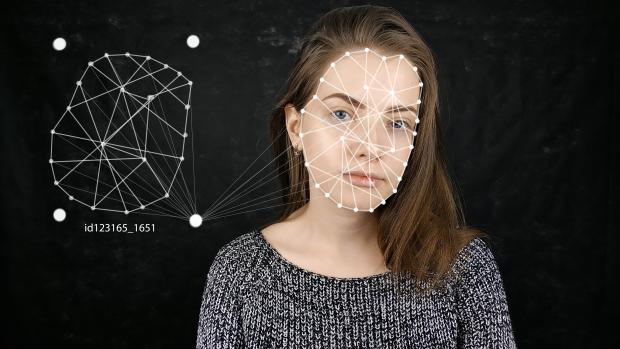
Studying the online deepfake community
In the evolving landscape of digital manipulation and misinformation, deepfake technology has emerged as a dual-use technology. While the technology has diverse applications in art, science, and industry, its potential for malicious use in areas such as disinformation, identity fraud, and harassment has raised concerns about its dangerous implications. Consequently, a number of deepfake creation communities, including the pioneering r/deepfakes on Reddit, have faced deplatforming measures to mitigate risks.
A noteworthy development unfolded in February 2018, just over a week after the removal of r/deepfakes, as MrDeepFakes (MDF) made its entrance into the online realm. Functioning as a privately owned platform, MDF positioned itself as a community hub, boasting to be the largest online space dedicated to deepfake creation and discussion. Notably, this purported communal role sharply contrasts with the platform's primary function — serving as a host for nonconsensual deepfake pornography.
Researchers at NYU Tandon led by Rachel Greenstadt, Professor of Computer Science and Engineering and a member of the NYU Center for Cybersecurity, undertook an exploration of these two key deepfake communities utilizing a mixed methods approach, combining quantitative and qualitative analysis. The study aimed to uncover patterns of utilization by community members, the prevailing opinions of deepfake creators regarding the technology and its societal perception, and attitudes toward deepfakes as potential vectors of disinformation.
Their analysis, presented in a paper written by lead author and Ph.D. candidate Brian Timmerman, revealed a nuanced understanding of the community dynamics on these boards. Within both MDF and r/deepfakes, the predominant discussions lean towards technical intricacies, with many members expressing a commitment to lawful and ethical practices. However, the primary content produced or requested within these forums were nonconsensual and pornographic deepfakes. Adding to the complexity are facesets that raise concerns, hinting at potential mis- and disinformation implications with politicians, business leaders, religious figures, and news anchors comprising 22.3% of all faceset listings.
In addition to Greenstadt and Timmerman, the research team includes Pulak Mehta, Progga Deb, Kevin Gallagher, Brendan Dolan-Gavitt, and Siddharth Garg.
Timmerman, B., Mehta, P., Deb, P., Gallagher, K., Dolan-Gavitt, B., Garg, S., Greenstadt, R. (2023). Studying the online Deepfake Community. Journal of Online Trust and Safety, 2(1). https://doi.org/10.54501/jots.v2i1.126