

Research News




"Rivalry as a Craft": NYU study reveals how writers compete with AI
Writers are not passive victims of AI disruption but active crafters of their professional futures, according to new research from New York University presented at The ACM CHI conference on Human Factors in Computing Systems in Yokohama, Japan.
Generative AI technologies are transforming the writing profession, eliciting opposing reactions. "If I let AI do my work, it would make me miserable inside," one screenwriter told researchers, while a paralegal countered, "individuals who are not using it are at a serious disadvantage."
The study was overseen by NYU Tandon's Oded Nov (Morton L. Topfer Professor of Technology Management) with lead author Rama Adithya Varanasi (Postdoctoral Researcher at NYU Tandon) and Batia Mishan Wiesenfeld (Professor of Management at NYU Stern). The team interviewed 25 professional writers with an average of 17 years of experience, all with at least 12 months of exposure to generative AI.
Using 'job crafting' theory, which examines how workers redesign their roles to derive greater meaning from their work, the researchers identified four distinct strategies that writing professionals employ in response to generative AI — two focused on resistance and two on adoption.
- Human-driven expansion (AI Resisters): Writers strengthen their identity by making their human labor visible, building personal brands, and forming collaborations.
- Human-driven localization (AI Resisters): Writers create niche identities, appeal to selective audiences that value human work, and sometimes reduce quality to compete with AI's speed.
- Generative AI-driven expansion (AI Adopters): Writers use AI to enhance creative workflows, generate alternatives, overcome blocks, and assist with challenging communications.
- Generative AI-driven delegation (AI Adopters): Writers offload tedious tasks to AI, reduce emotional labor, and minimize dependencies on colleagues.
The research uncovered significant evidence of "AI rivalry" among some resistors — professionals actively competing against AI rather than simply avoiding it. Writers employing resistance strategies deliberately target what they perceive as AI's weaknesses, such as its limited ability to generate content specific to a geographic area, community, or context.
"I'm taking steps to be more independent," one SEO writer shared. "I have started 11 websites. The baking website is my best contender." Many writers are creating revenue streams where they own the content, anticipating industry disruption.
Meanwhile, adopters engage in significant "AI managerial labor" — the invisible work of designing prompts, cleaning outputs, and verifying results. This requires substantial workflow changes, as one paralegal noted: "With ChatGPT, I need to block two to three hours to complete the prompting... If I leave it mid-way... it is extremely difficult to follow the reasoning."
Economic implications loom large, as some senior professionals eliminated dependencies on junior writers. "The difference now is that I'm not dealing with a lot of writers; I'm not giving them therapy sessions," said one publishing house owner who replaced staff with ChatGPT.
A key distinction emerged: resisters shape both identities and practices, while adopters focus primarily on practices without significant identity work. This stems from AI's anthropomorphizing features, which some writers perceive as competing with their creative identities.
Varanasi emphasized: "Resistors engage holistically in their human potential to shape both identity and practices... We introduced the notion of AI rivalry to show resistors engaged in constructive strategies while viewing generative AI as a rival similar to how they would treat a human rival."
The researchers recommend creating communities where resisters and embracers can share insights, as both groups would benefit from understanding each other's approaches to navigating this technological transformation.
The research was supported by funding from the National Science Foundation.
Varanasi, R., Wiesenfeld, B. & Nov, O. AI Rivalry as a Craft: How Resisting and Embracing Generative AI Are Reshaping the Writing Profession. 2025 CHI Conference on Human Factors in Computing Systems. (1198). https://doi.org/10.1145/3706598.3714035

AI vision system reveals bird wings evolved for heat regulation, not just flight
For centuries, scientists have observed that animals in warmer climates have longer limbs — a pattern known as Allen's Rule. Long attributed to the need to maintain body temperature, the precise mechanism that gave rise to this pattern has remained poorly understood.
A new computer vision system has now confirmed this principle applies to bird wings too, reshaping our understanding of the evolution of bird wings to include the demands of temperature regulation in addition to flight mechanics.
Published in Global Ecology and Biogeography, the study represents the culmination of a six-year collaboration between ecologists and computer scientists at the University of Michigan and New York University.
The team's system, "Skelevision," uses artificial intelligence to automatically identify and measure bird bones from photographs. "We use a deep neural network to detect individual bones in specimen images, identify their type, and create a precise digital outline of each one," explained David Fouhey, one of the paper's senior authors and assistant professor in NYU Tandon School of Engineering and NYU's Courant Institute. "Along with the co-designed hardware, we’re able to reduce 3D measurement to a 2D task, in which current computer vision systems excel."
Before this technology, researchers tended to study skeletal traits in relatively small sample sizes. The laborious process required manually handling fragile bones and measuring each element with calipers, creating a bias toward more easily measured external traits.
"Collecting skeletal measurements on a large scale lets us answer big questions about how species evolve and interact with their environments," explained Brian Weeks, lead author and assistant professor at the University of Michigan's School for Environment and Sustainability.
The researchers designed and built a complete end-to-end system for analyzing bird skeletons — developing both the physical imaging hardware with a high-resolution camera positioned above a surface where bird bones are arranged, and the sophisticated AI software that analyzes these photographs to identify and measure individual bones.
This integrated hardware-software approach reduces specimen handling time from 15-30 minutes to about one minute each. The methodology was established in a 2023 paper in Methods in Ecology and Evolution, demonstrating Skelevision's accuracy across 12,450 bird specimens.
This efficiency allowed researchers to analyze wing-bone measurements from 1,520 species of passerine birds across 80 families from all continents except Antarctica. The specimens came primarily from the University of Michigan Museum of Zoology, and the dataset has since been supplemented with specimens from Chicago's Field Museum of Natural History.
"Wing bones play a unique role in thermoregulation," explained Weeks. "When birds fly, these bones become crucial for dissipating the enormous heat generated by flight muscles. This suggests the pattern we're seeing — longer wing bones in warmer climates — is driven primarily by the need for efficient cooling rather than heat conservation. Even traits as critical as wings, which we've traditionally studied only for flight mechanics, are being shaped by thermoregulation demands. This has important implications for how birds might respond to climate change."
The technology is now being expanded with an advanced 3D scanning system to measure additional properties like volume and surface area. The researchers have also released their dataset and open-source code.
In addition to Weeks and Fouhey, the paper's authors are Christina Harvey from University of California Davis; Joseph A. Tobias from Imperial College London; Catherine Sheard from University of Bristol; and Zhizhuo Zhou from University of Michigan and Carnegie Mellon University.
The David and Lucile Packard Foundation provided funding for the research.
Weeks, B., Harvey, C., Tobias, J., Sheard, C., Zhou, Z. & Fouhey, D., (2025). Longer Wing Bones in Warmer Climates Suggest a Role of Thermoregulation in Bird Wing Evolution. Global Ecology and Biogeography, 34(4) .https://doi.org/10.1111/geb.70033
NYU Tandon-led research team wins distinguished paper award for gittuf security system
A research team led by NYU Tandon School of Engineering Professor Justin Cappos has won a Distinguished Paper Award at the Network and Distributed System Security Symposium 2025 for developing a security system that prevents unauthorized code changes in Git repositories.
The paper, "Rethinking Trust in Forge-Based Git Security," addresses critical vulnerabilities in an era of surging software supply chain attacks. It presents a new system, called gittuf, that decentralizes security responsibilities typically handled by centralized platforms like GitHub, GitLab, and Bitbucket. These Git forges have become the backbone of modern software development but represent a single point of trust in the security landscape.
"For most security properties, users can't verify independently that a forge is enforcing policy correctly," said Cappos, who holds an appointment in NYU Tandon's Computer Science and Engineering Department and is on the faculty of the NYU Center for Cybersecurity. "One of the main challenges was providing strong security guarantees while being backwards compatible with forges."
Recent years have seen high-profile attacks targeting centralized code repositories. For example, in 2021, attackers compromised the PHP programming language's Git server to insert malicious code. Similar incidents that used trusted developers’ compromised forge credentials have affected the Gentoo Linux distribution and various open-source projects.
The gittuf system decentralizes three critical aspects of Git security: policy declaration, activity tracking, and policy enforcement. This means that even if attackers compromise a central Git forge, they would need to compromise multiple developers' cryptographic keys to make unauthorized changes without detection.
"The beauty of our approach is that a single honest developer with gittuf can detect and correct policy violations," said Aditya Sirish A Yelgundhalli, a Ph.D. candidate in Cappos' Secure Systems Lab and the paper's lead author. "This dramatically raises the bar for attackers."
The system works through an authenticated, append-only log called the Reference State Log that records all repository activity with cryptographically signed entries. If someone detects a policy violation, they can mark the invalid entry and restore the repository to its last valid state. The system also supports requiring multiple developers to approve changes to critical code and works with existing Git servers.
The gittuf project is currently an OpenSSF sandbox project hosted by the Linux Foundation. Projects hosted by the OpenSSF and the Cloud Native Computing Foundation are already using it, and Bloomberg is piloting the system.
gittuf builds on security principles from The Update Framework (TUF), also developed in Cappos’ lab. While TUF secures software update systems, gittuf adapts concepts like delegations and threshold approvals specifically for Git repositories.
In addition to Cappos and Yelgundhalli, Patrick Zielinski, another Ph.D. student in Cappos’s lab and Reza Curtmola, a professor in the Department of Computer Science at New Jersey Institute of Technology, are authors on the paper. The research was supported by three National Science Foundation grants: CNS 2247829, CNS 2054692, and DGE 2043104.
A. Yelgundhalli, P. Zielinski, R. Curtmola, J. Cappos. 2025. Rethinking Trust in Forge-Based Git Security. The Network and Distributed System Security (NDSS) Symposium. San Diego, CA, USA
A new approach to asthma treatment: Harnessing the liver to reprogram the immune system
For millions of people around the world, asthma is more than just a breathing problem — it is a chronic and often debilitating condition caused by the immune system's exaggerated response to harmless airborne particles.
Traditional treatments like inhaled steroids and bronchodilators help manage symptoms but fail to address the underlying cause: the immune system's misdirected attack on respiratory allergens.
But what if we could reprogram the immune system to tolerate these allergens rather than react with inflammation?
A team of researchers led by Jeffrey Hubbell, Vice President of Life Sciences and Engineering at New York University and Professor of Chemical and Biomolecular Engineering at NYU Tandon, of Biology and Chemistry at NYU Faculty of Arts and Science, and Biochemistry and Molecular Pharmacology at NYU Langone Health along with researchers at the UChicago Pritzker School of Molecular Engineering have developed a new therapy that does just that — by enlisting an unexpected ally: the liver.
A New Approach to an Old Problem
At the heart of asthma is a dysfunctional immune response. In allergic individuals, exposure to common allergens such as dust mites, pollen, or pet dander triggers an overproduction of inflammatory signals, leading to airway constriction and excessive mucus production.
Current immunotherapy treatments attempt to retrain the immune system by repeatedly exposing it to small doses of the allergen over months or even years. However, this approach is slow, has variable success, and carries the risk of triggering severe allergic reactions.
In their new study, published in Science Translational Medicine, Hubbell and his colleagues at the UChicago Pritzker School of Molecular Engineering, including lead author Jorge Emiliano Gómez Medellín, introduced a novel form of allergen immunotherapy called liver-targeted immunotherapy (LIT). Unlike traditional allergy shots or sublingual tablets, LIT exploits the liver’s natural ability to promote immune tolerance.
“The liver has long been known as a unique organ, capable of suppressing immune responses to harmless antigens from food and blood-borne particles,” says Jeffrey Hubbell, a senior author of the study. “We wondered—could we harness this natural tolerance mechanism to turn off allergic reactions?”
Engineering a Smarter Allergy Shot
To achieve this, the researchers chemically modified allergens by synthetically attaching sugar molecules called mannose to their surfaces. This process, known as synthetic mannosylation, allows the allergens to bypass the immune system’s usual alarms and instead be delivered directly to the liver. There, specialized immune cells reprogram the response from one of inflammation to tolerance.
In preclinical trials, mice that received LIT developed a robust population of regulatory T cells—immune cells that act as peacekeepers, instructing the body to ignore allergens rather than attack them. Remarkably, just two doses of the therapy provided year-long protection against allergic asthma symptoms.
“The speed and durability of this treatment are unprecedented,” says Hubbell. “Traditional allergen immunotherapy can take years to work. With LIT, we’re seeing long-lasting immune tolerance after only two interventions.”
One of the biggest risks of current allergy treatments is the potential for severe allergic reactions, including life-threatening anaphylaxis. This happens when the immune system mistakes the introduced allergen as a threat and mounts an aggressive defense.
To test whether LIT could avoid this problem, the researchers administered their engineered allergens to sensitized mice—essentially a model for patients with severe allergies. Unlike unmodified allergens, which triggered dangerous immune responses, the mannosylated allergens did not provoke any allergic symptoms. Instead, they were quietly processed by the liver, leading to a significant reduction in airway inflammation.
“Given this improved safety profile and the effective long-term tolerance without continuous treatment, it is tempting to weigh the benefits of LIT with its novel administration,” says Trevor W.M. Ung, co-lead in the project from UChicago PME.
A Future Beyond Asthma?
While this study focused on allergic asthma, the principles of LIT could be extended to other allergic diseases, including food allergies and atopic dermatitis. “Given the fear caused by food-induced anaphylaxis, LIT has the potential to provide some relief to children and parents throughout by reducing this risk” Gómez Medellín says.
Additionally, since the approach relies on generating immune tolerance, it may hold promise for treating autoimmune diseases, where the immune system mistakenly attacks the body's own tissues.
The next step for the research team is to test LIT in human clinical trials after additional laboratory work targeting house dust mite allergy and food allergens. If the results hold up in people, this therapy could revolutionize the treatment of allergic diseases, offering a rapid, safe, and long-lasting solution to millions of patients worldwide.
For over a century, allergen immunotherapy has remained largely unchanged, relying on repeated exposure to allergens in hopes of gradually reducing sensitivity. LIT challenges this slow and risky process by leveraging the body's built-in tolerance mechanisms to achieve faster and safer results.
“Rather than fighting against the immune system’s natural tendencies, we’re working with them,” Hubbell explains. “This could be the future of allergy treatment—a way to not just manage symptoms, but to cure the disease at its source.”
J. Emiliano Gómez Medellín et al., Liver-targeted allergen immunotherapy rapidly and safely induces antigen-specific tolerance to treat allergic airway disease in mice.Sci. Transl. Med.17, eadl0406(2025). DOI:10.1126/scitranslmed.adl0406

Microbes in Brooklyn Superfund site teach lessons on fighting industrial pollution
Using advanced DNA sequence analysis, a research team led by NYU Tandon School of Engineering's Assistant Professor Elizabeth Hénaff has discovered that tiny organisms in Brooklyn's highly contaminated Gowanus Canal have developed a comprehensive collection of pollution-fighting genes.
The findings – covered by Popular Science, among other outlets – were published in the Journal of Applied Microbiology on April 15, 2025.
The team identified 455 species of microorganisms wielding 64 different biochemical pathways to degrade pollutants and 1,171 genes to process heavy metals. This suggests the potential of a cheaper, more sustainable, and less disruptive method for cleaning contaminated waterways than the current oft-used dredging operations.
The researchers also discovered 2,300 novel genetic sequences that could enable microbes to produce potentially valuable biochemical compounds for medicine, industry, or environmental applications.
"We found what amounts to nature's own toxic cleanup manual, but with a crucial warning," said Hénaff, who sits in NYU Tandon's Technology, Culture and Society Department and is a member of Tandon's Center for Urban Science + Progress. "These microbes have stories to tell that go beyond scientific data."
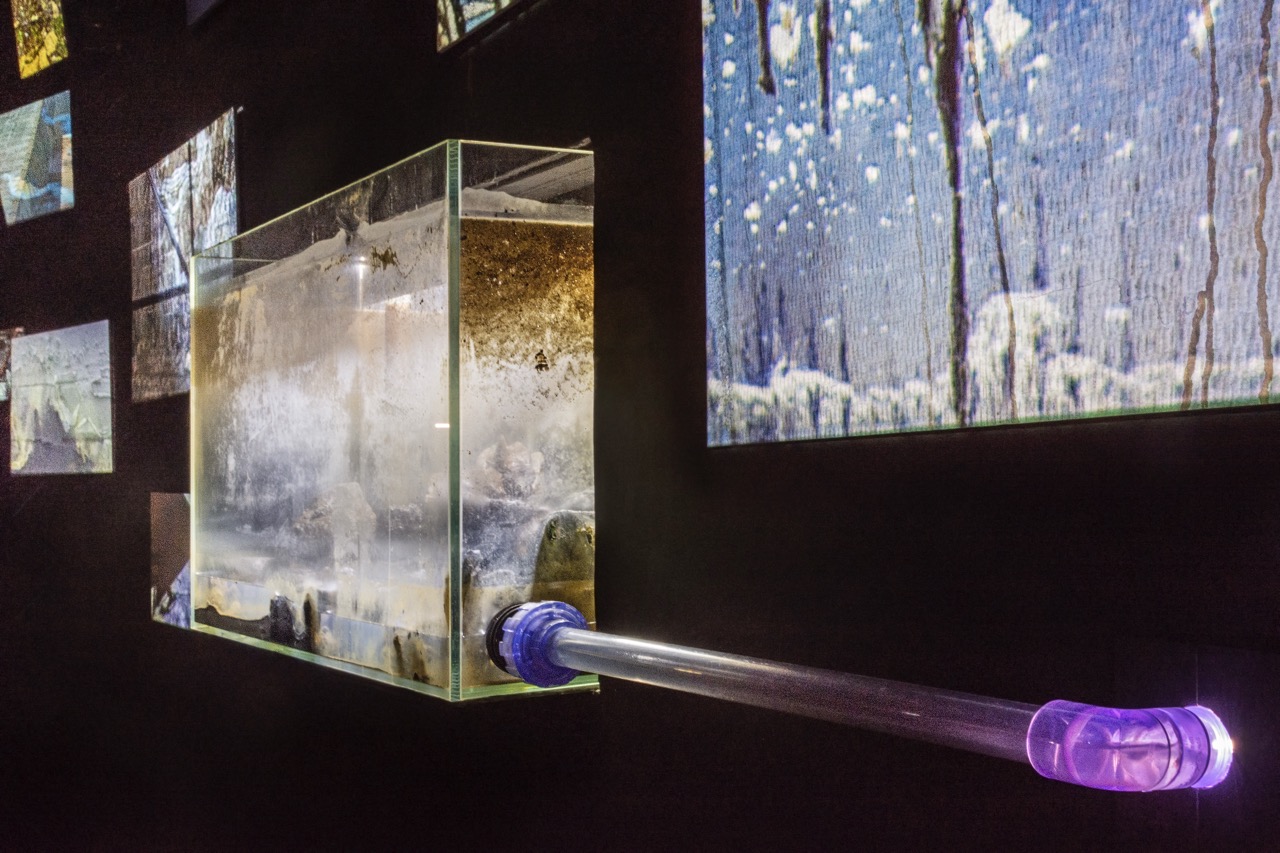
To communicate these stories effectively, Hénaff and colleagues created CHANNEL, an immersive installation at BioBAT Art Space in Brooklyn, New York featuring sculpture, prints, sound, and projections alongside over 300 gallons of native Gowanus sediment and water that has been growing over the last 9 months. The Living Interfaces Lab, Hénaff's research group, uses methods from sciences and arts to address pressing urban issues.
"While more research is needed to understand how to cooperate with these organisms effectively, the discovery of such genetic tools for pollution cleanup may offer valuable lessons for environmental restoration worldwide," Hénaff said. "I consider artistic research to be a key component in not just illustrating but also informing our scientific research." The work is on view at the exhibit’s closing event on April 18, 2025.
The team discovered genes for resistance to eight different classes of antibiotics in the canal microbes, with some coming from human gut bacteria that enter the canal during Combined Sewer Overflows – when heavy rainfall causes stormwater and untreated sewage to discharge directly into waterways. Other resistance genes were found in native aquatic species.
“The long-term coexistence of microbial communities from sewage and the natural canal environment is expected to enhance the rates of horizontal transfer of a wide array of genetic elements, and as such merits our attention for public health monitoring and surveillance as environmental ‘superbug’ reservoirs,” said Sergios-Orestis Kolokotronis, a study co-author and assistant professor of epidemiology and infectious diseases at SUNY Downstate Health Sciences University.
Despite these concerns, the study also reveals promising potential benefits. While the pollutant-degrading microbes in the canal can break down contaminants, their natural processes are too slow for practical cleanup. Understanding their genetic adaptations could help scientists develop faster methods, either by isolating specific microbes for treatment or enhancing their abilities.
Some classes of contaminants such as heavy metals are also valuable materials for industry, and bioremediation methods could be adapted to resource recovery for re-use, not just removal.
To make its discoveries, the team collected samples from 14 locations along the canal's 1.8-mile length, gathering both surface sediment and deep core samples reaching 11.5 feet below the canal floor. They found microbes capable of breaking down many historical pollutants, including petroleum products, PCBs, and industrial solvents.
The findings come as the Environmental Protection Agency continues its $1.5 billion dredging and capping operation at the canal, removing contaminated sediment and sealing remaining pollution under clean material.
The team's current study builds on prior research spanning a decade to understand the Gowanus Canal microbiome. The project began in 2014 when the current study’s co-authors Ian Quate of Fruit Studio and Matthew Seibert of the University of Virginia led the first sediment sampling, processing samples at community bio lab Genspace with study co-author Ellen Jorgensen of Biotech without Borders.
The DNA was sequenced in the lab of study co-author Christopher Mason – WorldQuant Professor of Genomics and Computational Biomedicine at Weill Cornell Medicine – as part of the Pathomap Project, now expanded to cities around the world in the metagenomics of subways and urban biomes (MetaSUB) project.
“The hardy microbial organisms of the Gowanus Canal have a unique genetic catalog of survival, which provides a roadmap for adaptation and directed evolution that we can use in polluted sites around the world,” said Mason, who serves as co-founder and Director of the MetaSUB Consortium.
Later, lead author Hénaff's team collected more samples through the BKBioReactor project while study co-author Kolokotronisgathered core samples. Bioinformatic approaches implemented by study co-authors Chandrima Bhattacharya of Weill Cornell Medicine and Rupobrata Panja of Rutgers University allowed the team to identify microbes breaking down industrial pollutants in the canal's thick sediment.
This research was supported by funding from WorldQuant Foundation, the Pershing Square Foundation, National Aeronautics and Space Administration, National Institutes of Health, National Science Foundation and NYU Tandon.
Sergios-Orestis Kolokotronis, Chandrima Bhattacharya, Rupobrata Panja, Ian Quate, Matthew Seibert, Ellen Jorgensen, Christopher E Mason, Elizabeth M Hénaff, Metagenomic interrogation of urban Superfund site reveals antimicrobial resistance reservoir and bioremediation potential, Journal of Applied Microbiology, Volume 136, Issue 4, April 2025, lxaf076, https://doi.org/10.1093/jambio/lxaf076

3D streaming gets leaner by seeing only what matters
A new approach to streaming technology may significantly improve how users experience virtual reality and augmented reality environments, according to a study from NYU Tandon School of Engineering.
The research — presented in a paper at the 16th ACM Multimedia Systems Conference on April 1, 2025 — describes a method for directly predicting visible content in immersive 3D environments, potentially reducing bandwidth requirements by up to 7-fold while maintaining visual quality.
The technology is being applied in an ongoing NYU Tandon National Science Foundation-funded project to bring point cloud video to dance education, making 3D dance instruction streamable on standard devices with lower bandwidth requirements.
"The fundamental challenge with streaming immersive content has always been the massive amount of data required," explained Yong Liu — professor in the Electrical and Computer Engineering Department (ECE) at NYU Tandon and faculty member at both NYU Tandon's Center for Advanced Technology in Telecommunications (CATT) and NYU WIRELESS — who led the research team. "Traditional video streaming sends everything within a frame. This new approach is more like having your eyes follow you around a room — it only processes what you're actually looking at."
The technology addresses the "Field-of-View (FoV)" challenge for immersive experiences. Current AR/VR applications demand high bandwidth — a point cloud video (which renders 3D scenes as collections of data points in space) consisting of 1 million points per frame requires more than 120 megabits per second, nearly 10 times the bandwidth of standard high-definition video.
Unlike traditional approaches that first predict where a user will look and then calculate what's visible, this new method directly predicts content visibility in the 3D scene. By avoiding this two-step process, the approach reduces error accumulation and improves prediction accuracy.
The system divides 3D space into "cells" and treats each cell as a node in a graph network. It uses transformer-based graph neural networks to capture spatial relationships between neighboring cells, and recurrent neural networks to analyze how visibility patterns evolve over time.
For pre-recorded virtual reality experiences, the system can predict what will be visible for a user 2-5 seconds ahead, a significant improvement over previous systems that could only accurately predict a user’s FoV a fraction of a second ahead.
"What makes this work particularly interesting is the time horizon," said Liu. "Previous systems could only accurately predict what a user would see a fraction of a second ahead. This team has extended that."
The research team's approach reduces prediction errors by up to 50% compared to existing methods for long-term predictions, while maintaining real-time performance of more than 30 frames per second even for point cloud videos with over 1 million points.
For consumers, this could mean more responsive AR/VR experiences with reduced data usage, while developers can create more complex environments without requiring ultra-fast internet connections.
"We're seeing a transition where AR/VR is moving from specialized applications to consumer entertainment and everyday productivity tools," Liu said. "Bandwidth has been a constraint. This research helps address that limitation."
The researchers released their code to support continued development. Their work was supported in part by the US National Science Foundation (NSF) grant 2312839.
In addition to Liu, the paper's authors are Chen Li and Tongyu Zong both NYU Tandon Ph.D candidates in Electrical Engineering; Yueyu Hu, NYU Tandon Ph.D. candidate in Electrical and Electronics Engineering; and Yao Wang, NYU Tandon professor who sits in ECE, the Biomedical Engineering Department, CATT and NYU WIRELESS.
C. Li, T. Zong, Y. Hu, Y. Wang, Y. Liu. 2025. Spatial Visibility and Temporal Dynamics: Rethinking Field of View Prediction in Adaptive Point Cloud Video Streaming. In Proceedings of the 16th ACM Multimedia Systems Conference (MMSys '25). Association for Computing Machinery, New York, NY, USA, 24–34.

NYU Tandon receives Google DeepMind grant to advance AI adaptation
AI systems that can dynamically adjust to human norms and behaviors may soon become reality, thanks to a NYU Tandon School of Engineering project that has received prestigious grant funding from Google DeepMind.
The research, led by NYU Tandon Assistant Professor Eugene Vinitsky in collaboration with Google DeepMind scientist Edward Hughes, aims to overcome the limitations of today's rigid AI algorithms. Vinitsky is part of Tandon's Civil & Urban Engineering Department and is also on the faculty of C2SMARTER, NYU Tandon's U.S. Department of Transportation-funded Tier 1 University Transportation Center.
Their project, "Adapting to Partners Quickly and Safely in Unforeseen Situations," focuses on a novel technique called meta-learning, or "learning to learn," where AI agents are trained to interact with various synthetic partners. This approach helps AI develop adaptive strategies that generalize to new, unseen partners — including humans. Most AI today operates with predefined algorithms, making it inflexible in real-world interactions.
The goal is to create AI that can proactively infer human behaviors, a crucial advancement for applications like autonomous vehicles and robotic assistants. A primary focus is ensuring AI adapts safely. Human drivers may follow unwritten norms of local driving cultures, for instance, but current AI-powered vehicles struggle with these subtle differences, often leading to overly cautious or rigid driving.
By training AI agents against a diverse set of synthetic driving styles, the research aims to enable AI to transition from a maximally safe starting posture to fluid adaptation as it learns more about the specific environment. The implications extend beyond driving.
"This research is about creating AI that understands and adapts to human behavior in a natural way," said Vinitsky. "By building AI that can quickly learn and adjust, we're paving the way for safer autonomous systems, more intuitive robotic assistants, and even AI that can collaborate effectively as a copilot in workplaces."
Unlike static AI models that require frequent manual updates, adaptive AI could continuously refine itself, making it more reliable. Vinitsky and Hughes believe this adaptability is a crucial missing capability in AI systems today.
While promising, the research also presents challenges. AI must infer human intentions responsibly to avoid reinforcing biases or making unsafe decisions. To address these concerns, the team will integrate safety checks and test their approach in diverse real-world scenarios, including human-in-the-loop simulations.
Google DeepMind, which was formed by merging two pioneering AI research labs — Google Brain and DeepMind (acquired by Google in 2014) — is an artificial intelligence research lab specializing in machine learning and AI systems development.

NYC speed cameras take six months to change driver behavior, effects vary by neighborhood
New York City's automated speed cameras reduced traffic crashes by 14% and decreased speeding violations by 75% over time, according to research from NYU Tandon's C2SMARTER published in Transportation Research Interdisciplinary Perspectives that tracked more than 1,800 cameras across school zones from 2019 to 2021.
With speeding contributing to approximately one-third of all motor vehicle fatalities nationwide, these findings translate to potentially hundreds of lives saved in America's most densely populated city.
The study from C2SMARTER — a US Department of Transportation Tier 1 University Transportation Center — complements the NYC Department of Transportation's (NYC DOT) own 2024 report, which similarly found a 14% reduction in injuries and fatalities at camera locations compared to control sites without cameras.
While the NYC DOT report provides valuable citywide statistics, the C2SMARTER study reveals several critical insights: cameras typically reach a strong level of effectiveness within six months, effectiveness patterns vary geographically across the city, and changes in driving behavior may exhibit a ‘time-lag’ effect.
"Our research methodology provided an in-depth short-term and long-term analysis of these cameras, taking into consideration the continuous installation of new cameras," explained Jingqin Gao, Assistant Director of Research at C2SMARTER and the paper's lead author. "By tracking each camera's performance over time, we uncovered spatial and temporal patterns that may be less visible in citywide data, providing officials additional insights on the longitudinal effects and more strategic positioning of future cameras to maximize the program’s effectiveness."
NYC's speed camera program has evolved from a 20-camera pilot in 2013 to a network of 2,200 cameras across all 750 school zones by 2023 — expanding from limited hours (6 a.m.-10 p.m. weekdays) to 24/7 operation in 2022. C2SMARTER's research examines the critical 2019-2021 timeframe when the program first achieved citywide scale.
What sets this study apart is its longitudinal approach — tracking fixed camera sites over extended periods. The research revealed most cameras achieve their safety purpose within six months, with violations dropping and staying low — showing drivers have changed behavior to drive more slowly and the cameras are working as intended, to deter speeding.
"Our long-term analysis identified four distinct patterns in how specific camera installations performed," said Gao. "Cameras at some locations showed consistent reductions at varying magnitudes in two groups, with a surge in speeding tickets during COVID. A third group exhibited a relatively modest effect but nearly curbed speeding behaviors within 1.5 years, despite COVID-19 impacts, and a small set of camera sites saw marginal impact in the first few months but experienced dramatic COVID-era speeding increases," Gao added. "Our short-term analysis also provided evidence of a 'time-lag effect,' where driver compliance improved gradually rather than immediately after installation."
The C2SMARTER team led by its Director Kaan Ozbay, professor in the NYU Tandon Civil and Urban Engineering Department (CUE), pioneered the application of Survival Analysis with Random Effect (SARE) for before-and-after evaluation of traffic safety treatments. This statistical method models the time intervals between crashes rather than simply counting them. Their findings were published in a series of papers in top traffic safety journals, including Risk Analysis and Safety Science.
This approach alleviates the challenge posed by the need for waiting years to collect data needed to conduct before and after analysis using traditional statistical approaches. The significantly shorter time periods of data collection potentially saves lives by allowing traffic engineers to re-evaluate their deployment approaches of safety treatments.
"The SARE method can accommodate the different implementation dates of speed cameras,” said Di Yang, a paper co-author who is currently an assistant professor at Morgan State University. Yang received his Ph.D. from CUE in 2022 under Ozbay’s advisement. “This approach allows us to better leverage the time intervals between crashes to estimate the change in crash rates before and after implementing speed cameras.”
These nuanced findings provide critical guidance for policymakers and urban planners across the country. Rather than a one-size-fits-all approach, the research points to the need for targeted, data-driven strategies that combine enforcement with engineering solutions tailored to specific locations.
"This isn't just about issuing tickets," concluded Ozbay. "It's about using data analytics and advanced statistical methods to save lives on our streets, especially in dense urban areas where a single speeding vehicle can have devastating consequences."
The study contributes to C2SMARTER's work to improve NYC transportation systems’ efficiency and safety. Among its projects, the Center has created a "digital twin" of Harlem with the NYC Fire Department to reduce emergency response times; tested and deployed weigh-in-motion technology to extend the Brooklyn Queens Expressway's lifespan; and developed performance measures for NYC Department of Transportation's off-hour delivery program.
In addition to Gao, Ozbay and Yang, the paper's authors include Chuan Xu and Smrithi Sharma, both with C2SMARTER and NYU Tandon’s Department of Civil and Urban Engineering at the time of the research.
Gao, J., Yang, D., Xu, C., Ozbay, K., & Sharma, S. (2025). Assessing the impact of fixed speed cameras on speeding behavior and crashes: A longitudinal study in New York City. Transportation Research Interdisciplinary Perspectives, 30, 101373.

Cracking the code of private AI: The role of entropy in secure language models
Large Language Models (LLMs) have rapidly become an integral part of our digital landscape, powering everything from chatbots to code generators. However, as these AI systems increasingly rely on proprietary, cloud-hosted models, concerns over user privacy and data security have escalated. How can we harness the power of AI without exposing sensitive data?
A recent study, Entropy-Guided Attention for Private LLMs by Nandan Kumar Jha, a Ph.D. candidate at the NYU Center for Cybersecurity (CCS), and Brandon Reagen, Assistant Professor in the Department of Electrical and Computer Engineering and a member of CCS, introduces a novel approach to making AI more secure. The paper was presented at the Privacy-preserving Artificial Intelligence workshop at the AAAI Workshop on Privacy-Preserving Artificial Intelligence in early March.
The researchers delve into a fundamental, yet often overlooked, property of neural networks: entropy — the measure of information uncertainty within a system. Their work proposes that by understanding entropy’s role in AI architectures, we can improve the privacy, efficiency, and reliability of LLMs.
The Privacy Paradox in AI
When we interact with AI models — whether asking a virtual assistant for medical advice or using AI-powered legal research tools — our input data is typically processed in the cloud. This means user queries, even if encrypted in transit, are ultimately decrypted for processing by the model. This presents a fundamental privacy risk: sensitive data could be exposed, either unintentionally through leaks or maliciously via cyberattacks.
To design efficient private LLMs, researchers must rethink the architecture these models are built on. However, simply removing nonlinearities destabilizes training and disrupts the core functionality of components like the attention mechanism.
“Nonlinearities are the lifeblood of neural networks,” says Jha. “They enable models to learn rich representations and capture complex patterns.”
The field of Private Inference (PI) aims to solve this problem by allowing AI models to operate directly on encrypted data, ensuring that neither the user nor the model provider ever sees the raw input. However, PI comes with significant computational costs. Encryption methods that protect privacy also make computation more complex, leading to higher latency and energy consumption — two major roadblocks to practical deployment.
To tackle these challenges, Jha and Reagen’s research focuses on the nonlinear transformations within AI models. In deep learning, nonlinear functions like activation functions play a crucial role in shaping how models process information. The researchers explore how these nonlinearities affect entropy — specifically, the diversity of information being passed through different layers of a transformer model.
“Our work directly tackles this challenge and takes a fundamentally different approach to privacy,” says Jha. “It removes nonlinear operations while preserving as much of the model’s functionality as possible.”
Using Shannon’s entropy as a quantitative measure, they reveal two key failure modes that occur when nonlinearity is removed:
- Entropy Collapse (Deep Layers): In the absence of nonlinearity, later layers in the network fail to retain useful information, leading to unstable training.
- Entropic Overload (Early Layers): Without proper entropy control, earlier layers fail to efficiently utilize the Multi-Head Attention (MHA) mechanism, reducing the model’s ability to capture diverse representations.
This insight is new — it suggests that entropy isn’t just a mathematical abstraction but a key design principle that determines whether a model can function properly.
A New AI Blueprint
Armed with these findings, the researchers propose an entropy-guided attention mechanism that dynamically regulates information flow in transformer models. Their approach consists of Entropy Regularization — a new technique that prevents early layers from being overwhelmed by excessive information — and PI-Friendly Normalization — alternative methods to standard layer normalization that help stabilize training while preserving privacy.
By strategically regulating the entropy of attention distributions, they were able to maintain coherent, trainable behavior even in drastically simplified models, which ensures that attention weights remain meaningful, avoiding degenerate patterns that commonly arise once nonlinearity is removed, where a disproportionate number of heads exhibit extreme behavior — collapsing to near one-hot attention (low entropy) or diffusing attention uniformly (high entropy) — both of which impair the model’s ability to focus and generalize.
This work bridges the gap between information theory and architectural design, establishing entropy dynamics as a principled guide for developing efficient privacy-preserving LLMs. It represents a crucial step toward making privacy-preserving AI more practical and efficient in real-world applications. By bridging the gap between information theory and neural architecture design, their work offers a roadmap for developing AI models that are not only more private but also computationally efficient.
The team has also open-sourced their implementation, inviting researchers and developers to experiment with their entropy-guided approach.
arXiv:2501.03489v2 [cs.LG] 8 Jan 2025

Encryption breakthrough lays groundwork for privacy-preserving AI models
In an era where data privacy concerns loom large, a new approach in artificial intelligence (AI) could reshape how sensitive information is processed.
Researchers Austin Ebel and Karthik Garimella, Ph.D students, and Assistant Professor of Electrical and Computer Engineering Brandon Reagen have introduced Orion, a novel framework that brings fully homomorphic encryption (FHE) to deep learning — allowing AI models to practically and efficiently operate directly on encrypted data without needing to decrypt it first.
The implications of this advancement, published in a recent study on arXiv that earned a Best Paper Award at 2025 ACM International Conference on Architectural Support for Programming Languages and Operating Systems (ASPLOS), are profound. FHE has long been considered the 'holy grail' of cryptography. Unlike traditional encryption, which protects data only when it is at rest or in transit, FHE allows computations to be performed on encrypted data without ever decrypting it. However, despite its promise, implementing deep learning models with FHE has been notoriously difficult due to the immense computational overhead and the technical hurdles in adapting neural networks to FHE’s bespoke programming model.
“Whenever you use online services, there are machine learning models operating in the background, collecting both your inputs and outputs,” says Garimella. “That compromises user privacy. Our goal is to bring FHE into the mainstream, and allow users to continue using the services they rely on everyday without releasing their personal, private data."
Orion tackles these challenges head-on with an automated framework that seamlessly converts deep learning models written in PyTorch into efficient FHE programs. It does so by introducing a novel method to optimize how encrypted data is structured, significantly reducing computational overhead. The framework also streamlines encryption-related processes, making it easier to manage accumulated noise and execute deep learning computations efficiently.
By employing these techniques, Orion achieves a 2.38x speedup over existing state-of-the-art methods on ResNet-20, a common benchmark model used in FHE deep learning research that is comparatively small. But perhaps most impressively, Orion enables computations on much larger networks than previously possible. The researchers demonstrated the first-ever high-resolution FHE object detection using YOLO-v1—a deep learning model with 139 million parameters, roughly 500 times larger than ResNet-20 — showcasing Orion’s ability to handle real-world AI workloads.
The code the team produced is lightweight and could be used by anyone with a basic understanding of computer science. Not only would this help in increasing the efficiency of the computations; it also makes it easily deployable across industries.
“There has been an incredible barrier to entry for people who don't want to spend months to years learning the ins and outs”, says Ebel. “With Orion, that barrier to entry is now almost non-existent.”
The development of Orion marks a critical milestone in bridging the gap between FHE and practical deep learning applications. With this framework, industries reliant on privacy — such as healthcare, finance, and cybersecurity — could leverage AI without exposing sensitive user data.
“Take online advertising,” says Reagen, who is also a member of the NYU Center for Cybersecurity. “If you want to process an individual's information in order to serve them targeted ads using neural networks, this allows service providers to analyze that data while keeping it totally confidential. For the marketers and the public, that’s a win-win scenario.”
While challenges remain in making FHE fully practical at scale, Orion brings the technology closer to widespread adoption. The research team has open-sourced the project, making it accessible to developers and researchers worldwide.
As AI continues to integrate deeper into daily life, privacy-preserving techniques like Orion could redefine the balance between innovation and security — ensuring that smarter algorithms don’t come at the cost of user privacy.
4/3/2025: This story has been updated to include the Best Paper Award at ASPLOS '25.
arXiv:2311.03470v3 [cs.CR] 12 Feb 2025