

Research News




New NYU Tandon-led project will accelerate privacy-preserving computing
Today's most advanced cryptographic computing technologies — which enable privacy-preserving computation — are trapped in research labs by one critical barrier: they're thousands of times too slow for everyday use.
NYU Tandon, helming a research team that includes Stanford University and the City University of New York, just received funding from a $3.8 million grant from the National Science Foundation to build the missing infrastructure that could make those technologies practical, via a new design platform and library that allows researchers to develop and share chip designs.
The problem is stark. Running a simple AI model on encrypted data takes over 10 minutes instead of milliseconds, a four order of magnitude performance gap that impedes many real-world use cases.
Current approaches to speeding up cryptographic computing have hit a wall, however. "The normal tricks that we have to get over this performance bottleneck won’t scale much further, so we have to do something different," said Brandon Reagen, the project's lead investigator. Reagen is an NYU Tandon assistant professor with appointments in the Electrical and Computer Engineering (ECE) Department and in the Computer Science and Engineering (CSE) Department. He is also on the faculty of NYU's Center for Advanced Technology in Telecommunications (CATT) and the NYU Center for Cybersecurity (CCS).
The team's solution is a new platform called "Cryptolets.”
Currently, researchers working on privacy chips must build everything from scratch. Cryptolets will provide three things: a library where researchers can share and access pre-built, optimized hardware designs for privacy computing; tools that allow multiple smaller chips to work together as one powerful system; and automated testing to ensure contributed designs work correctly and securely.
This chiplet approach — using multiple small, specialized chips working together — is a departure from traditional single, monolithic chip optimization, potentially breaking through performance barriers.
For Reagen, this project represents the next stage of his research approach. "For years, most of our academic research has been working in simulation and modeling," he said. "I want to pivot to building. I’d like to see real-world encrypted data run through machine learning workloads in the cloud without the cloud ever seeing your data. You could, for example, prove you are who you say you are without actually revealing your driver's license, social security number, or birth certificate."
What sets this project apart is its community-building approach. The researchers are creating competitions where students and other researchers use Cryptolets to compete in designing the best chip components. The project plans to organize annual challenges at major cybersecurity and computer architecture conferences. The first workshop will take place in October 2025 at MICRO 2025, which focuses on hardware for zero-knowledge proofs.
"We want to build a community, too, so everyone's not working in their own silos," Reagen said. The project will support fabrication opportunities for competition winners, with plans to assist tapeouts of smaller designs initially and larger full-system tapeouts in the later phases, helping participants who lack chip fabrication resources at their home institutions
"With Cryptolets, we are not just funding a new hardware platform—we are enabling a community-wide leap in how privacy-preserving computation can move from theory to practice,” said Deep Medhi, program director in the Computer & Information Sciences & Engineering Directorate at the U.S. National Science Foundation. “By lowering barriers for researchers and students to design, share and test cryptographic chips, this project aligns with NSF’s mission to advance secure, trustworthy and accessible technologies that benefit society at large."
If the project succeeds, it could enable a future where strong digital privacy isn't just theoretically possible, but practically deployable at scale, from protecting personal health data to securing financial transactions to enabling private AI assistants that never see people's actual queries.
Along with Reagen, the team is led by NYU Tandon co-investigators Ramesh Karri, ECE Professor and Department Chair, and faculty member of CATT and CCS; Siddharth Garg, Professor in ECE and faculty member of NYU WIRELESS and CCS; Austin Rovinski, Assistant Professor in ECE; The City College of New York’s Rosario Gennaro and Tushar Jois; and Stanford's Thierry Tambe and Caroline Trippel, with Warren Savage serving as project manager. The team also includes industry advisors from companies working on cryptographic technologies.

NYU Tandon team help develop bio-inspired robotics for disaster response and construction, in new NSF-funded project
The United States recorded 28 natural disasters causing at least $1 billion in damages each in 2023, the highest number in the nation's history. Now researchers at NYU Tandon are helping develop a robotic system that could significantly reduce disaster recovery times while improving efficiency for contractors working in confined spaces.
Along with colleagues from New Jersey Institute of Technology, who led the project, and a researcher from The University of Scranton, the Tandon team led by Maurizio Porfiri and Semiha Ergan is part of a three-year, $5 million U.S. National Science Foundation (NSF)-funded project to create the Kastor robotic system. The funding comes from the NSF Directorate for Technology, Innovation and Partnerships, which supports research that brings together multiple disciplines and sectors to solve complex societal and operational challenges.
This Phase 2 award follows a previous $650,000 Phase 1 grant that developed a prototype robot and algorithms.
The Kastor robotic system uses swarms of self-assembling robots to transport equipment and clear debris in disaster zones, addressing a persistent challenge in disaster response: much of the workforce effort goes toward moving supplies and removing debris rather than critical tasks like searching for survivors.
The technology takes its design cues from fire ants and slime molds. Fire ants can link their bodies to form bridges over difficult terrain, while slime molds create efficient transport networks across varied surfaces. The Kastor system applies these biological strategies to create networks of flat metal robotic tiles that can autonomously reconfigure themselves as conditions change.
The tiles move themselves into position and use wheels and treads to transport pallets across disaster sites without human intervention. Algorithms developed by the research team guide their assembly and movement patterns.
Porfiri — who directs NYU's Center for Urban Science + Progress (CUSP) and is Institute Professor in the departments of Mechanical and Aerospace Engineering, Biomedical Engineering, and Civil and Urban Engineering (CUE) — brings expertise in urban science and virtual reality to the project. His role focuses on ensuring the technology integrates with existing disaster response workflows in urban environments.
Ergan — an associate professor in CUE, and on the faculty of CUSP, Institute of Design and Construction (IDC) Innovation Hub, and C2SMARTER transportation center — is leading virtual and on-site pilot studies that will test the system in realistic construction and recovery scenarios.
"Each community faces different challenges when disasters strike, and current response methods often require inefficient manual labor for debris removal and supply transport," Porfiri said. The project team has consulted with police officers, emergency responders, contractors and construction companies to understand operational requirements.
"We want to bring the high-tech automation of distribution facilities and smart warehouses to messy, unstructured outdoor environments," said Petras Swissler, an assistant professor of mechanical and industrial engineering at NJIT and the project's principal investigator.
Beyond disaster response, the researchers found the same challenges exist in construction projects, where efficiency improvements have lagged behind other industries.
"This technology will also assist at construction sites where space is tight and the ability to navigate in multiple directions while carrying dirt and construction materials is limited," Ergan said.
The project will develop a production-ready robotic system, create interfaces for operators to control the robot swarms, and conduct pilot studies in both disaster response and construction settings. Along with Porfiri and Ergan, the other co-principal investigators are Simon Garnier, a biology professor at NJIT, and Jason Graham, a mathematics professor at The University of Scranton.
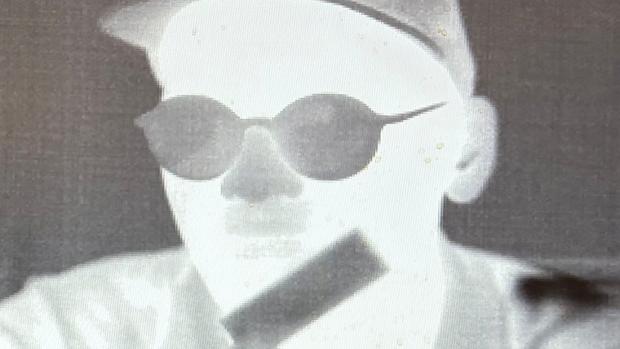
An eco-friendly way to see in the dark
Manufacturers of infrared cameras face a growing problem: the toxic heavy metals in today's infrared detectors are increasingly banned under environmental regulations, forcing companies to choose between performance and compliance.
This regulatory pressure is slowing the broader adoption of infrared detectors across civilian applications, just as demand in fields like autonomous vehicles, medical imaging and national security is accelerating.
In a paper published in ACS Applied Materials & Interfaces, researchers at NYU Tandon School of Engineering reveal a potential solution that uses environmentally friendly quantum dots to detect infrared light without relying on mercury, lead, or other restricted materials.
The researchers use colloidal quantum dots which upends the age-old, expensive, and tedious processing of infrared detectors. Traditional devices are fabricated through slow, ultra-precise methods that place atoms almost one by one across the pixels of a detector — much like assembling a puzzle piece by piece under a microscope.
Colloidal quantum dots are instead synthesized entirely in solution, more like brewing ink, and can be deposited using scalable coating techniques similar to those used in roll-to-roll manufacturing for packaging or newspapers. This shift from painstaking assembly to solution-based processing dramatically reduces manufacturing costs and opens the door to widespread commercial applications.
"The industry is facing a perfect storm where environmental regulations are tightening just as demand for infrared imaging is exploding," said Ayaskanta Sahu, associate professor in the Department of Chemical and Biomolecular Engineering (CBE) at NYU Tandon and the study's senior author. "This creates real bottlenecks for companies trying to scale up production of thermal imaging systems."
Another challenge the researchers addressed was making the quantum dot ink conductive enough to relay signals from incoming light. They achieved this using a technique called solution-phase ligand exchange, which tailors the quantum dot surface chemistry to enhance performance in electronic devices. Unlike traditional fabrication methods that often leave cracked or uneven films, this solution-based process yields smooth, uniform coatings in a single step — ideal for scalable manufacturing.
The resulting devices show remarkable performance: they respond to infrared light on the microsecond timescale — for comparison, the human eye blinks at speeds hundreds of times slower — and they can detect signals as faint as a nanowatt of light.
"What excites me is that we can take a material long considered too difficult for real devices and engineer it to be more competitive," said graduate researcher Shlok J. Paul, lead author on the study. "With more time this material has the potential to shine deeper in the infrared spectrum where few materials exist for such tasks."
This work adds to earlier research from the same lead researchers that developed new transparent electrodes using silver nanowires. Those electrodes remain highly transparent to infrared light while efficiently collecting electrical signals, addressing one component of the infrared camera system.
Combined with their earlier transparent electrode work, these developments address both major components of infrared imaging systems. The quantum dots provide environmentally compliant sensing capability, while the transparent electrodes handle signal collection and processing.
This combination addresses challenges in large-area infrared imaging arrays, which require high-performance detection across wide areas and signal readout from millions of individual detector pixels. The transparent electrodes allow light to reach the quantum dot detectors while providing electrical pathways for signal extraction.
"Every infrared camera in a Tesla or smartphone needs detectors that meet environmental standards while remaining cost-effective," Sahu said. "Our approach could help make these technologies much more accessible."
The performance still falls short of the best heavy-metal-based detectors in some measurements. However, the researchers expect continued advances in quantum dot synthesis and device engineering could reduce this gap.
In addition to Sahu and Paul, the paper's authors are Letian Li, Zheng Li, Thomas Kywe, and Ana Vataj, all from NYU Tandon CBE. The work was supported by the Office of Naval Research and the Defense Advanced Research Projects Agency.
Paul, S. J., Li, L., Li, Z., Kywe, T., Vataj, A., & Sahu, A. (2025). Heavy Metal Free Ag2Se Quantum Dot Inks for Near to Short-Wave Infrared Detection. ACS Applied Materials & Interfaces. doi:10.1021/acsami.5c12011

NYU Tandon researchers launch interactive 3D flood map to help New Yorkers visualize climate risks
When Hurricane Sandy devastated New York City in 2012, it became clear that communicating flood risk through traditional probability maps wasn't enough.
Now, researchers at NYU Tandon School of Engineering have created GeoFlood Studio, an interactive 3D flood visualization platform that lets users see exactly how water would rise around their neighborhood during major storms.
"Talking about probability and technical terms in risk assessment often isn't digestible," said Yuki Miura, Assistant Professor in the Department of Mechanical and Aerospace Engineering and the Center for Urban Science + Progress, who leads the project. "We need realistic tools that people can understand."
GeoFlood Studio, developed over the past two months by Miura's Climate, Energy, and Risk Analytics (CERA) Lab, represents a significant advance over existing flood visualization tools. “While other 3D flood models exist, they typically offer limited scenarios, slow loading times, and basic flood-zone style information that shows only which areas might be underwater, without the level of detail on depth, velocity, and human vulnerability that our platform provides,” said Miura.
With GeoFlood Studio, users can explore scenarios based on Hurricane Sandy (coastal flooding) and Hurricane Ida (rainfall-driven flooding), each combined with projected sea level rise for 2050, 2080, and 2100. The tool allows examination of compound flooding scenarios where both storm types occur simultaneously.
The platform's interactive features include adjustable human silhouettes to show precisely how deep flood waters would reach at the user's height. Users can toggle velocity overlays to see how fast water is projected to move, or vulnerability overlays that show color-coded safety zones ranging from areas safe for driving to zones where adult life is in danger.
Users can also enable or disable the East Side Coastal Resiliency seawall to instantly see how this infrastructure protects against flooding.
"If flood depths are about two feet, you might think that’s not so dangerous. But if the velocity is high, the risk can be much greater than you expect. Conversely, if the velocity is low, you may still face challenges but have a better chance of safety," Miura explained.The map loads immediately, allowing users to click anywhere for instant data about flood depth, water velocity, and vulnerability (danger) levels. Users can select preset viewing locations across Lower Manhattan or navigate the 3D map freely.
Currently focused on Lower Manhattan, the platform is expanding rapidly. Within weeks, GeoFlood Studio will include evacuation routing capabilities, showing the safest path to emergency shelters while avoiding dangerous flood zones. The team plans to expand coverage to all of New York City within months and enable other researchers to upload their own flood scenarios by year's end.
Applications extend beyond academic research. Emergency management agencies can plan evacuation routes, insurance companies can assess property risks more accurately than traditional FEMA flood zone maps, and real estate developers can evaluate how proposed seawalls might protect properties.
"Asset management firms and insurance companies can use this to see exactly which areas will be underwater and how deep, going beyond the broad categories provided by FEMA’s flood zone maps," Miura noted.
The project reflects Miura's broader research mission to "identify, measure, and manage risks" through tools that work for both technical experts and community members. GeoFlood Studio is part of her larger body of work modeling urban flood risks, which includes developing rapid flood estimation tools that deliver real-time flood forecasts within seconds.
The team has gathered feedback from New York City agencies including the Department of Environmental Protection and the Mayor's Office, as well as local high school students and artists, ensuring the platform serves diverse users.
As climate change intensifies flood risks worldwide, GeoFlood Studio offers a model for making complex climate science accessible and actionable. By letting people see themselves in flood scenarios rather than reading statistics, the platform transforms abstract risk into a tangible, personal understanding.
NYU will showcase GeoFlood Studio during a public workshop on September 26, 2025 as part of NYU Climate Week 2025, inviting residents, practitioners, and policymakers to explore the tool and discuss how visual insights can drive climate adaptation planning.

New York City's medical specialist advantage may be an illusion, new NYU Tandon research shows
New York City offers nearly every type of medical specialist but provides fewer specialty healthcare providers per capita than smaller cities, according to a new study that challenges conventional assumptions about urban healthcare advantages and reveals a troubling paradox across America's largest metropolitan areas.
The research, published in Nature Cities, analyzed data from 1.4 million healthcare providers across 75 medical specialties in 898 metropolitan and micropolitan areas. The innovative approach combines urban scaling theory—which examines how city characteristics change with population size—with network science and economic geography to examine healthcare access in unprecedented detail.
Rather than treating healthcare as a single entity, the researchers examined each medical specialty separately, revealing that 88% exhibit what they call "sublinear scaling," meaning larger cities have proportionally fewer specialists per resident than smaller ones.
"We're discovering that the healthcare advantages of living in big cities may be an illusion when it comes to specialized care," explains lead researcher Maurizio Porfiri. "We all assume residents of large metropolitan areas have better access to healthcare than residents of smaller cities, but this is really true only for primary care services. Our findings suggest this assumption breaks down completely for medical specialists. A small city may not offer all the specialties of large cities, but in what it offers it may outperform them.”
Porfiri is an NYU Tandon Institute Professor with appointments in the Departments of Mechanical and Aerospace Engineering (MAE), Biomedical Engineering (BME), Civil and Urban Engineering (CUE), and Technology Management and Innovation (TMI). He also serves as Director of the NYU Center for Urban Science + Progress (CUSP).
The study represents the latest application of Porfiri's urban scaling methodology, which he has previously used to analyze gun violence patterns and the relationship between city living, ADHD and obesity. His research uses Scale-Adjusted Metropolitan Indicators (SAMIs) to control for population differences and reveal how cities deviate from expected patterns.
The study found that while cities like New York and Chicago offer nearly all examined specialties (NYC has 74 — missing only anesthesiology assistants — and Chicago has all 75), residents may face longer wait times and specialists higher patient loading.
In contrast, smaller cities may lack certain specialties entirely—73 of the 75 specialties showed significant associations between availability and population size—but those that exist serve fewer patients per provider. For example, Marshfield, Wisconsin provides 16.8 specialists per 1,000 residents compared to New York's 4.7 per 1,000.
Among the most underrepresented specialties in large cities per capita are addiction medicine, preventive medicine, osteopathic manipulative medicine, and micrographic dermatologic surgery.
Addiction medicine shows the starkest disparity, with large cities providing dramatically fewer specialists per resident than smaller areas. These fields showed the strongest sublinear scaling, meaning residents of major metropolitan areas have significantly fewer of these specialists available relative to their population size compared to smaller cities.
The research identifies two mechanisms driving this paradox: higher patient loads overwhelming specialists in large cities, and economic clustering that concentrates medical expertise in dense hospital networks, creating geographic inequalities.
“The findings have serious implications as the U.S. population ages. The study found sublinear scaling in geriatric specialties like urology and gerontology, suggesting major metropolitan areas may be unprepared for growing elderly populations,” said Tian Gan, a NYU Tandon mechanical engineering PhD student in the urban science track, and the paper’s lead author.
Geographic patterns reveal stark regional disparities. The highest specialist concentrations cluster in the Midwest—Minnesota alone claims two of the top five cities—while all five cities with the lowest access are in the South.
Not all specialties follow this pattern. Several key specialties—including anesthesiology, internal medicine, and clinical psychology—actually have more providers per capita in large cities, reflecting higher urban demand for these services.
The research provides a framework for understanding healthcare distribution that moves beyond the traditional urban-rural dichotomy. Rather than viewing cities as uniformly advantaged, policymakers must consider the complex interplay between diversity and provision of medical services.
Along with Porfiri and Gan, the paper's additional author is Tanisha Dighe, NYU Tandon MS student in applied urban science and information. The study was supported by National Science Foundation grants.
APPENDIX: Medical Specialist Availability by City
CITIES WITH THE MOST MEDICAL SPECIALISTS (Cities offering all specialty types)
- Chicago-Naperville-Elgin, IL-IN: 75 specialties
- Houstone-Pasadena-The Woodlands, TX: 75 specialties
- Atlanta-Sandy Springs-Roswell, GA: 75 specialties
- Washington-Arlington-Alexandria, DC-VA-MD-WV: 75 specialties
- Miami-Fort Lauderdale-West Palm Beach, FL: 75 specialties
CITIES WITH THE FEWEST MEDICAL SPECIALISTS (Fewest specialty types available)
- Monroe, LA: 5 specialties
- Zapata, TX: 6 specialties
- Raymondville, TX: 6 specialties
- Synder, TX: 11 specialties
- Andrews, TX: 11 specialties
CITIES WITH THE HIGHEST CONCENTRATION OF SPECIALISTS OVERALL (All non-primary-care specialists combined per 1,000 residents)
- Rochester, Minnesota: 21.1 specialists (home to Mayo Clinic)
- Marshfield, Wisconsin: 16.8 specialists
- Sunbury, Pennsylvania: 16.3 specialists
- Easton, Maryland: 15.7 specialists
- Albert Lea, Minnesota: 15.4 specialists
CITIES WITH THE LOWEST CONCENTRATION OF SPECIALISTS OVERALL (Fewest specialists per 1,000 residents)
- Monroe, Louisiana: 0.1 specialists
- Virginia Beach-Norfolk, Virginia: 0.4 specialists
- Danville, Virginia: 0.8 specialists
- Rio Grande City-Roma, Texas: 1.0 specialists
- Bonham, Texas: 1.0 specialists
SPECIALTIES MOST UNDERREPRESENTED IN MAJOR METROS, 1M+ POPULATION
(Scaling exponents - how fast they grow with population growth )
- Addiction Medicine (0.305) - Most underrepresented
- Preventive Medicine (0.331)
- Osteopathic Manipulative Medicine (0.351)
- Micrographic Dermatologic Surgery (0.379)
- Maxillofacial Surgery (0.398)
- Marriage and Family Therapist (0.400)
- Nuclear Medicine (0.408)
- Advanced Heart Failure and Transplant Cardiology (0.446)
- Certified Clinical Nurse Specialist (0.457)
- Sleep Medicine (0.457)
SPECIALTIES MOST OVERREPRESENTED IN MAJOR METROS
(Scaling exponents - - how fast they grow with population growth)
- Anesthesiology (1.154) - Most overrepresented
- Internal Medicine (1.100)
- Physical Therapy (1.089)
- Clinical Psychology (1.069)
- Physician Assistant (1.057)
- Obstetrics/Gynecology (1.050)
- Neurology (1.039)
- Psychiatry (1.031)
- Gastroenterology (1.022)
NYC SPECIALIST COUNTS (74 out of 75 research specialties)
Missing only: Anesthesiology Assistant
Top 10:
- Nurse Practitioner: 8,977
- Internal Medicine: 8,194
- Physical Therapy: 7,515
- Physician Assistant: 6,224
- Clinical Social Worker: 4,842
- Anesthesiology: 3,637
- Family Practice: 3,259
- Diagnostic Radiology: 2,843
- Emergency Medicine: 2,545
- Psychiatry: 2,465
Notable underrepresented specialties (bottom 5):
- Maxillofacial Surgery: 40
- Micrographic Dermatologic Surgery: 25
- Preventive Medicine: 21
- Marriage and Family Therapist: 18
- Addiction Medicine: 16
Gan, T., Dighe, T. & Porfiri, M. Trade-off between diversity and provision of specialized healthcare in US cities. Nat Cities (2025).

David M. Truong’s Programmable Regenerative Immunity Lab is doing promising research that could open up new possibilities for Alzheimer’s patients
Assistant Professor of Biomedical Engineering David Truong and his research group are working to create programmable macrophage–neuron interfaces able to reduce the inflammation associated with Alzheimer’s disease and repair damaged neural connections.
Alzheimer’s involves complex immune–neural interactions that drive inflammation, synaptic loss, and cognitive decline, Truong explains, and current therapies target only isolated pathological features, failing to address the broader breakdown in neuroimmune signaling; he intends to address those shortcomings by engineering macrophage-specific circuits that secrete therapeutic payloads in response to small molecule inducers, enabling tunable neuroimmune repair.
The project builds upon Truong’s recent NIH-funded work, which uses engineered immune cells to target and remove amyloid plaques (one of the hallmarks of Alzheimer’s disease) when delivered through the bloodstream, where they cross the blood-brain barrier.
The immune cells used in his lab are “off-the-shelf,” meaning that they do not need to be taken from a patient but can instead be manufactured and prepared in advance; they are created from human induced pluripotent stem cells (iPSCs), a renewable source of cells that can be genetically modified in the lab.
His new project recently won “Early Stage” support from NYU’s Discovery Research Fund for Human Health, a program launched in late 2023 to aid faculty members in addressing significant medical challenges. (In its first full year, it provided support to teams researching interventions for diabetes prevention, improvements to targeted cancer therapies, and advanced nanofabrication techniques to enable the rapid detection of multiple pathogens, among other projects.)
Truong — whose laurels include a New Innovator Award from the National Institute of Allergy and Infectious Diseases, a Delil Nasser Award for Professional Development from the Genetics Society of America, and a National Institutes of Health Ruth L. Kirschstein National Research Service Award — envisions eventually creating an overall framework for regenerative neuroimmune therapies. “We may one day see even broader applications in neurodegeneration, immune dysfunction, and human brain repair,” he predicts.
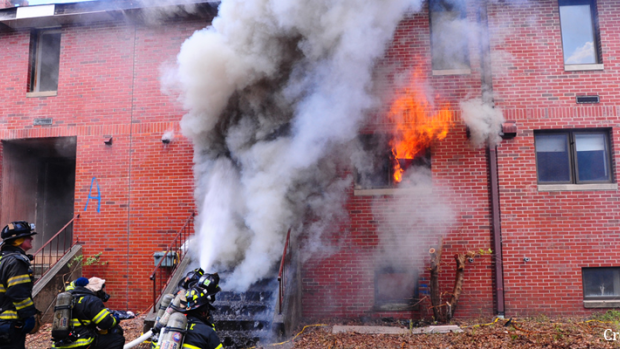
NYU Tandon researchers develop new AI system that leverages standard security cameras to detect fires in seconds, and could transform emergency response
Fire kills nearly 3,700 Americans annually and destroys $23 billion in property, with many deaths occurring because traditional smoke detectors fail to alert occupants in time.
Now, the NYU Fire Research Group at NYU Tandon School of Engineering has developed an artificial intelligence system that could significantly improve fire safety by detecting fires and smoke in real-time using ordinary security cameras already installed in many buildings.
Published in the IEEE Internet of Things Journal, the research demonstrates a system that can analyze video footage and identify fires within 0.016 seconds per frame—faster than the blink of an eye—potentially providing crucial extra minutes for evacuation and emergency response. Unlike conventional smoke detectors that require significant smoke buildup and proximity to activate, this AI system can spot fires in their earliest stages from video alone.
"The key advantage is speed and coverage," explained lead researcher Prabodh Panindre, Research Associate Professor in NYU Tandon’s Department of Mechanical and Aerospace Engineering (MAE). "A single camera can monitor a much larger area than traditional detectors, and we can spot fires in the initial stages before they generate enough smoke to trigger conventional systems."
The need for improved fire detection technology is evident from concerning statistics: 11% of residential fire fatalities occur in homes where smoke detectors failed to alert occupants, either due to malfunction or the complete absence of detectors. Moreover, modern building materials and open floor plans have made fires spread faster than ever before, with structural collapse times significantly reduced compared to legacy construction.
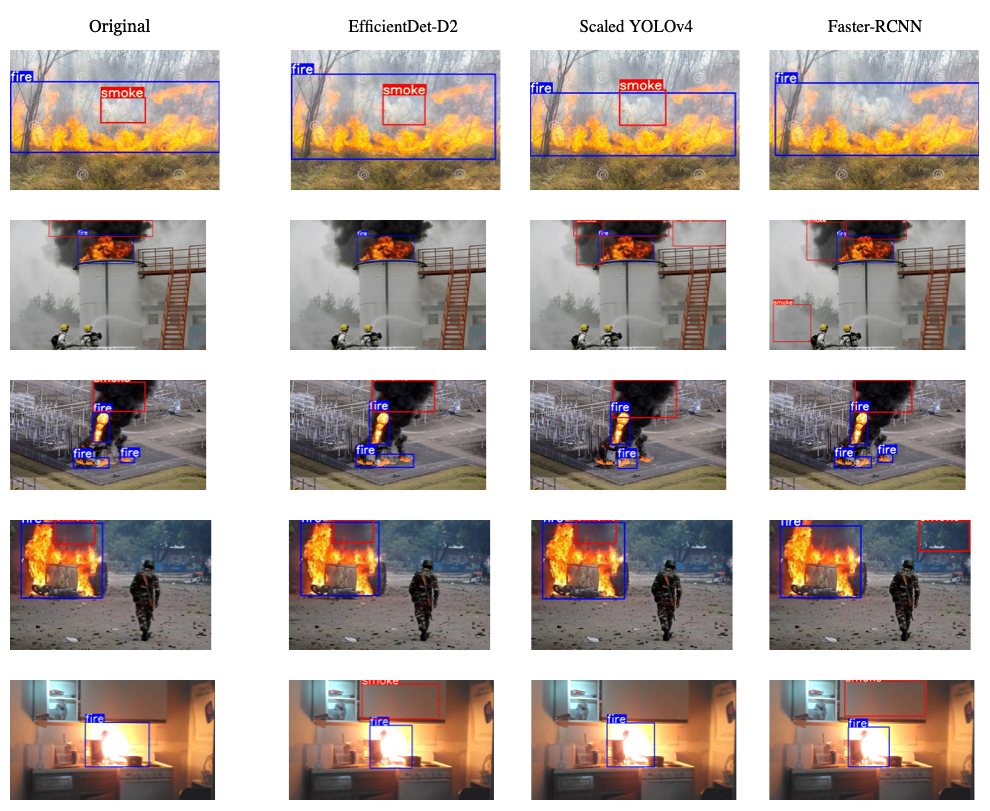
The NYU Tandon research team developed an ensemble approach that combines multiple state-of-the-art AI algorithms. Rather than relying on a single AI model that might mistake a red car or sunset for fire, the system requires agreement between multiple algorithms before confirming a fire detection, substantially reducing false alarms, a critical consideration in emergency situations.
The researchers trained their models by building a comprehensive custom image dataset representing all five classes of fires recognized by the National Fire Protection Association, from ordinary combustible materials to electrical fires and cooking-related incidents. The system achieved notable accuracy rates, with the best-performing model combination reaching 80.6% detection accuracy.
The system incorporates temporal analysis to differentiate between actual fires and static fire-like objects that could trigger false alarms. By monitoring how the size and shape of detected fire regions change over consecutive video frames, the algorithm can distinguish between a real, growing fire and a static image of flames hanging on a wall. "Real fires are dynamic, growing and changing shape," explained Sunil Kumar, Professor of MAE. "Our system tracks these changes over time, achieving 92.6% accuracy in eliminating false detections."
The technology operates within a cloud-based Internet of Things architecture where multiple standard security cameras stream raw video to servers that perform AI analysis. When fire is detected, the system automatically generates video clips and sends real-time alerts via email and text message. This design means the technology can be implemented using existing CCTV infrastructure without requiring expensive hardware upgrades, an important advantage for widespread adoption.
This technology can be integrated into drones or unmanned aerial vehicles to search for wildfires in remote forested areas. Early-stage wildfire detection would buy critical hours in the race to contain and extinguish them, enabling faster dispatch of resources, and prioritized evacuation orders that dramatically reduce ecological and property loss.
To improve the safety of firefighters and assist during fire response, the same detection system can be embedded into the tools firefighters already carry: helmet cameras, thermal imagers, and vehicle-mounted cameras, as well as into autonomous firefighting robots. In urban areas, UAVs integrated with this technology can help the fire service in performing 360-degree size-up, especially when fire is on higher floors of high-rise structures.
“It can remotely assist us in confirming the location of the fire and possibility of trapped occupants,” said Capt. John Ceriello from the Fire Department of New York City.
Beyond fire detection, the researchers note their approach could be adapted for other emergency scenarios such as security threats or medical emergencies, potentially expanding how we monitor and respond to various safety risks in our society.
In addition to Panindre and Kumar, the research team includes Nanda Kalidindi (’18 MS Computer Science, NYU Tandon), Shantanu Acharya (’23 MS Computer Science, NYU), and Praneeth Thummalapalli (’25 MS Computer Science, NYU Tandon).
P. Panindre, S. Acharya, N. Kalidindi and S. Kumar, "Artificial Intelligence-Integrated Autonomous IoT Alert System for Real-Time Remote Fire and Smoke Detection in Live Video Streams," in IEEE Internet of Things Journal, doi: 10.1109/JIOT.2025.3598979.
Coral-inspired pill offers a new window into the hidden world of the gut
In the depths of the ocean, marine corals have evolved intricate, porous structures that shelter diverse microbial communities.
Now, researchers have borrowed this biological blueprint to create an ingestible pill that can sample bacteria from one of the most inaccessible regions of the human body: the small intestine.
The CORAL (Cellularly Organized Repeating Lattice) capsule, developed by Khalil Ramadi – assistant professor of bioengineering at NYU Tandon School of Engineering and NYU Abu Dhabi (NYUAD) – and NYUAD collaborators, promises the first passive, non-invasive way to collect microbes from the upper digestive tract. Once swallowed, the device physically traps bacteria as it travels naturally through the digestive system before exiting the body.
In a study published in Device, the team demonstrated that their coral-inspired device provides a more comprehensive picture of the small intestine's bacterial landscape than traditional stool samples, the current gold standard for microbiome research.
"Fecal samples, though easy to collect, do not accurately represent the microbial communities in distinct regions of the gut," said Ramadi, who directs the Laboratory for Advanced Neuroengineering and Translational Medicine at NYUAD.
While the gut microbiome has been linked to everything from immune disorders to mental health, most stool-sample studies primarily reflect bacteria from the large intestine and miss the unique microbial communities of the small intestine. This matters because the small intestine is where much of the critical action occurs. As the body's largest mucosal surface, it hosts a high density of receptors, immune cells, and neurons, making it a crucial site for host-microbiome interactions.

Recent research suggests that various diseases — including immune disorders, metabolic diseases, and endocrine diseases — may actually originate in the gut, with distinct microbial populations in the small intestine playing essential roles in metabolism and immunity that differ significantly from those in the colon.
"The CORAL capsule captures bacteria that are otherwise not accessible, addressing a significant blind spot in microbiome science," said Aashish Jha, Assistant Professor of Biology at NYUAD and the paper’s co-senior author. "Understanding these upstream microbial communities could be key to early disease detection and developing more targeted therapeutic interventions."
The capsule's design mimics marine corals using mathematically defined structures called Triply Periodic Minimal Surfaces (TPMS). These create a maze-like network of channels with pore sizes optimized to trap bacteria while allowing safe passage through the digestive tract.
Unlike existing microbiome sampling devices that rely on magnets, mechanical actuators, or electronic components, CORAL operates entirely passively. The capsule is fabricated in a single 3D printing step and contains no moving parts, making it potentially scalable for widespread use. A special coating ensures the device only begins sampling once it reaches the small intestine, avoiding contamination from stomach acid.
"We designed CORAL to be as simple as possible, no batteries or electronics, just a mathematically precise structure that uses the gut's natural movement to sample bacteria," said Hanan Mohammed, lead author of the study and Research Associate at NYUAD. "It gives us access to bacterial communities that have been invisible to researchers until now."
In animal studies, CORAL successfully captured distinct bacterial populations from the small intestine that differed significantly from fecal samples. The capsule samples collected higher levels of beneficial bacteria like Lactobacillus, which thrives in the upper gut's lower pH environment, while intentionally missing bacteria typically found in the large intestine.
This work represents part of Ramadi's broader mission to change how we can diagnose and treat diseases through the gut. His work involves developing "electroceuticals" — ingestible electricals rather than pharmaceutical interventions — that can diagnose and treat conditions from immune disorders to metabolic diseases by leveraging the body's natural neural pathways.
The team envisions translating CORAL to eventual human use by scaling the capsule from its current tiny dimensions to standard pill size. Before human trials could begin, researchers would need to develop reliable retrieval methods (potentially using magnetic detection or other identification techniques) and conduct extensive safety testing to ensure the device poses no risk to patients. The team is continuing this work in the lab and actively working to commercialize this technology through the HealthX program at StartAD and the Abu Dhabi Department of Health.
In addition to Ramadi, Jha, and Mohammed, the paper's co-authors are Sadaf Usmani, Brij Bhushan, Anique Ahmad, Oraib Al-Ketan, Ahmed A. Shibl, Maylis Boitet, and Heba Naser, all at NYU Abu Dhabi, and Devjoy Dev at both NYU Abu Dhabi and NYU Tandon.
Comments on CORAL:
This study makes a major contribution to microbiome research. By allowing precise and minimally invasive access to the small intestine, the CORAL capsules enable characterization of microbial communities that have until now remained largely out of reach. This breakthrough provides an essential tool for advancing basic science and for shaping the next generation of microbiome-based diagnostics and therapies.”
María Rodríguez Aburto, Ph.D.
Senior Lecturer, ERC-funded investigator
Dept. of Anatomy & Neuroscience, APC Microbiome Ireland
University College Cork
The relationship between the small intestinal microbiome and immune and digestive function is woefully understudied due to difficulties in sampling the environment in situ. The CORAL device is a key technological advance that enables sampling of the small intestinal microbiome to probe its importance in health and disease.”
Mark Mimee, Ph.D.
Assistant Professor of Microbiology
Committee on Molecular Metabolism and Nutrition
The University of Chicago
Passive intestinal microbiome sampling using an ingestible device with tortuous lattices
Mohammed, Hanan et al. Device, Volume 0, Issue 0, 100904

Large language models can execute complete ransomware attacks autonomously, NYU Tandon research shows
Criminals can use artificial intelligence, specifically large language models, to autonomously carry out ransomware attacks that steal personal files and demand payment, handling every step from breaking into computer systems to writing threatening messages to victims, according to new research from NYU Tandon School of Engineering.
The study serves as an early warning to help defenders prepare countermeasures before bad actors adopt these AI-powered techniques.
A simulation malicious AI system developed by the Tandon team carried out all four phases of ransomware attacks — mapping systems, identifying valuable files, stealing or encrypting data, and generating ransom notes — across personal computers, enterprise servers, and industrial control systems.
This system, which the researchers call “Ransomware 3.0," became widely known recently as "PromptLock," a name chosen by cybersecurity firm ESET when experts there discovered it on VirusTotal, an online platform where security researchers test whether files can be detected as malicious.
The Tandon researchers had uploaded their prototype to VirusTotal during testing procedures, and the files there appeared as functional ransomware code with no indication of their academic origin. ESET initially believed they found the first AI-powered ransomware being developed by malicious actors. While it is the first to be AI-powered, the ransomware prototype is a proof-of-concept that is non-functional outside of the contained lab environment.
"The cybersecurity community's immediate concern when our prototype was discovered shows how seriously we must take AI-enabled threats," said Md Raz, a doctoral candidate in the Electrical and Computer Engineering Department who is the lead author on the Ransomware 3.0 paper the team published publicly. "While the initial alarm was based on an erroneous belief that our prototype was in-the-wild ransomware and not laboratory proof-of-concept research, it demonstrates that these systems are sophisticated enough to deceive security experts into thinking they're real malware from attack groups."
The research methodology involved embedding written instructions within computer programs rather than traditional pre-written attack code. When activated, the malware contacts AI language models to generate Lua scripts customized for each victim's specific computer setup, using open-source models that lack the safety restrictions of commercial AI services.
Each execution produces unique attack code despite identical starting prompts, creating a major challenge for cybersecurity defenses. Traditional security software relies on detecting known malware signatures or behavioral patterns, but AI-generated attacks produce variable code and execution behaviors that could evade these detection systems entirely.
Testing across three representative environments showed both AI models were highly effective at system mapping and correctly flagged 63-96% of sensitive files depending on environment type. The AI-generated scripts proved cross-platform compatible, operating on (desktop/server) Windows, Linux, and (embedded) Raspberry Pi systems without modification.
The economic implications reveal how AI could reshape ransomware operations. Traditional campaigns require skilled development teams, custom malware creation, and substantial infrastructure investments. The prototype consumed approximately 23,000 AI tokens per complete attack execution, equivalent to roughly $0.70 using commercial API services running flagship models. Open-source AI models eliminate these costs entirely.
This cost reduction could enable less sophisticated actors to conduct advanced campaigns previously requiring specialized technical skills. The system's ability to generate personalized extortion messages referencing discovered files could increase psychological pressure on victims compared to generic ransom demands.
The researchers conducted their work under institutional ethical guidelines within controlled laboratory environments. The published paper provides critical technical details that can help the broader cybersecurity community understand this emerging threat model and develop stronger defenses.
The researchers recommend monitoring sensitive file access patterns, controlling outbound AI service connections, and developing detection capabilities specifically designed for AI-generated attack behaviors.
The paper's senior authors are Ramesh Karri — ECE Professor and department chair, and faculty member of Center for Advanced Technology in Telecommunications (CATT) and NYU Center for Cybersecurity — and Farshad Khorrami — ECE Professor and CATT faculty member. In addition to lead author Raz, the other authors include ECE Ph.D. candidate Meet Udeshi; ECE Postdoctoral Scholar Venkata Sai Charan Putrevu and ECE Senior Research Scientist Prashanth Krishnamurthy.
The work was supported by grants from the Department of Energy, National Science Foundation, and from the State of New York via Empire State Development's Division of Science, Technology and Innovation.
Raz, Md, et al. “Ransomware 3.0: Self-Composing and LLM-Orchestrated.” arXiv.Org, 28 Aug. 2025, doi.org/10.48550/arXiv.2508.20444.
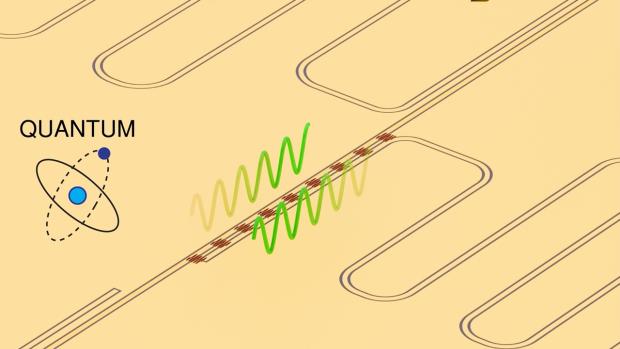
NYU Tandon-led team develops new fabrication technique that opens door to new materials for quantum technologies
Researchers have demonstrated a new fabrication approach that enables the exploration of a broader range of superconducting materials for quantum hardware.
The study, published in Applied Physics Letters and selected as a “Featured” article, addresses a long-standing challenge: many promising superconductors, such as transition metal nitrides, carbides, and silicides, are difficult to pattern into functional devices using conventional chemistry-based methods.
By showing that physical patterning provides a viable alternative, the study paves the way to evaluate and harness these materials for high-performing quantum technologies.
The team, led by NYU Tandon professor Davood Shahrjerdi, demonstrated that one such technique, called low-energy ion beam etching (IBE), can be used to fabricate high-performing quantum devices. They validated the approach using niobium, a well-studied superconductor, and benchmarked the resulting devices against state-of-the-art counterparts made with conventional chemistry-based methods, showing comparable performance.
Quantum computers have the potential to tackle problems that are intractable for today's machines, with applications in drug discovery, cryptography, and financial modeling.
"Realizing this promise requires components that can preserve fragile quantum states long enough to perform complex calculations," said Shahrjerdi. "That means building ever more perfect hardware to reduce errors and improve the fault tolerance of quantum systems."
The team's demonstration advances this broader goal by expanding the superconducting material toolkit for device fabrication.
"Fabricating devices with materials-agnostic techniques expands the design space for quantum hardware to under-explored materials, which could catalyze advancements in the scaling of quantum information systems to greater size and functionality," said Dr. Matthew LaHaye, a research physicist at the Air Force Research Laboratory (AFRL) and a collaborator on the project.
To put this approach to the test, Ph.D. students Miguel Manzo-Perez and Moeid Jamalzadeh, co-lead authors of the study, designed superconducting resonators and developed fabrication protocols that combined electron-beam lithography with IBE. They deposited thin niobium films on silicon substrates and patterned them into superconducting resonators, completing the entire process at the NYU Nanofabrication Cleanroom (NYU Nanofab), the first academic cleanroom in Brooklyn.
"NYU Nanofab is equipped with state-of-the-art tools and a strategic focus on enabling the fabrication of advanced devices from quantum materials and superconductors," said Shahrjerdi, the inaugural Faculty Director. "In addition to advancing academic research, it also serves as the prototyping facility of the Northeast Regional Defense Technology (NORDTECH) Hub, with the mission to support lab-to-fab transitions in superconducting quantum technologies."
Next, the devices were shipped to AFRL, where Booz Allen Hamilton contractors Christopher Nadeau and Man Nguyen tested them at temperatures near absolute zero. The quantum resonators demonstrated high performance, confirming the feasibility of the IBE-based fabrication approach for realizing low-loss quantum hardware.
Loss is a critical measure of hardware quality, with lower values indicating more perfect superconducting devices.
In addition to Shahrjerdi, LaHaye, Manzo-Perez, Jamalzadeh, Nadeau, and Nguyen, the other co-authors of the paper include Alexander Madden of Booz Allen Hamilton; Iliya Shiravand of NYU Tandon; Kim Kisslinger and Xiao Tong of Brookhaven National Laboratory; Kasra Sardashti of the University of Maryland; and Michael Senatore of the Air Force Research Laboratory.
NYU Tandon and AFRL Rome collaborate under a Cooperative Research and Development Agreement (24-RI-CRADA-09) and are supported by funding from the Microelectronics Commons through the Northeast Defense Technology Hub project entitled "Improved Materials for Superconducting Qubits with Scalable Fabrication."
Miguel Manzo-Perez, Moeid Jamalzadeh, Man Nguyen, Christopher Nadeau, Alexander Madden, Iliya Shiravand, Kim Kisslinger, Xiao Tong, Kasra Sardashti, Michael Senatore, Matthew LaHaye, Davood Shahrjerdi; Physical patterning of high-Q superconducting niobium resonators via ion beam etching. Appl. Phys. Lett. 1 September 2025; 127 (9): 092601. https://doi.org/10.1063/5.0278956