
Mechanical and Aerospace Engineering
Mechanical engineers develop the physical systems and devices that modern society demands.
From automobiles to air conditioning, prosthetic limbs to autonomous machines, and rocket engines to satellites.

Katsuo Kurabayashi
Katsuo Kurabayashi research brings together engineering, biology, and medicine to develop tiny, powerful technologies for understanding human health. His work uses microfluidic “lab-on-a-chip” devices, advanced sensors, and nanotechnology to detect and measure important biological signals — such as proteins involved in inflammation and disease — quickly and with very small samples. These innovations aim to make medical testing more sensitive, portable, and personalized, ultimately helping researchers and clinicians better understand disease and monitor patients in real time. Kurabashi’s work has resulted in over 200 published peer-reviewed papers and 11 U.S patents.
Our researchers are breaking new ground in robotics and automation, additive manufacturing, nanotechnology and materials engineering, computational engineering, biomechanics, and healthcare applications.
If you want to work with engineers who have developed lightweight new protective materials with applications in national defense, sports medicine, and transportation; robots that aid in the education of children with autism; technological methods of leading wildlife away from danger areas; and much more, Mechanical and Aerospace Engineering might be the course of study for you.
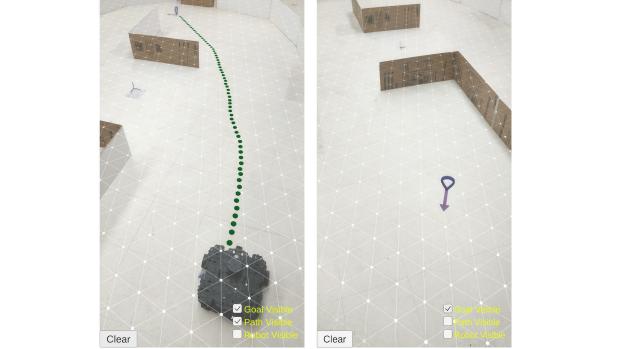
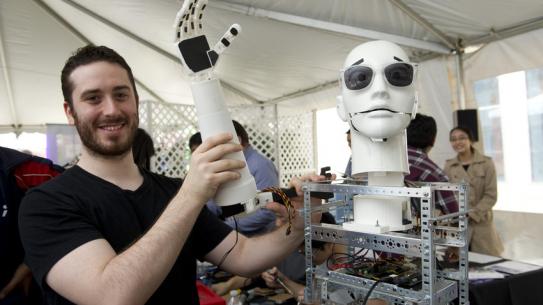
The school’s new Center for Robotics and Embodied Intelligence (CREO) provides an opportunity for mechanical engineers to work closely with mathematicians, computer scientists, and others to solve the biggest challenges in robotics. Learn more about CREO.




Academic Advising
For Undergraduates in the MAE Department
Inclusion, Diversity, Belonging, And Equity in MAE
MAE Department Statement On IDBE
Featured Faculty

Anamika Shreevastava

Augustin Guibaud

Christopher Clark