

Urban Research
Research areas cover urban infrastructure engineering, urban informatics, and innovative technologies for upgrading infrastructure performance, lifecycle management and resiliency.
On this page:
Urban Informatics and Infrastructure Systems
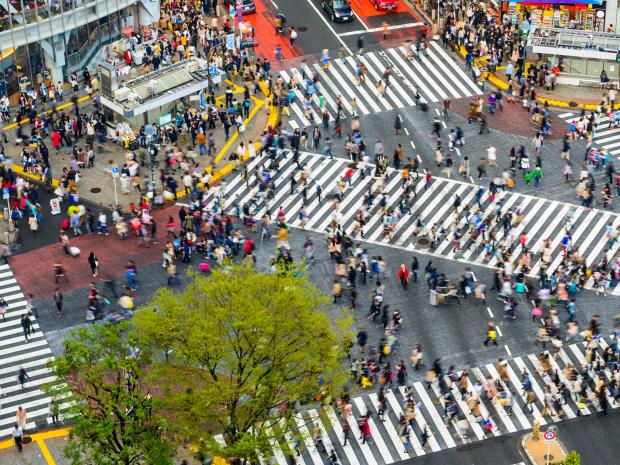
Our research is aligned with NYU's vision and commitment to work within the "city as a lab" to accelerate the field deployment of innovative solutions to emerging urban needs. Areas of study include sustainability and climate action, infrastructure and resilience, public health, housing, and equity. See our list of dissertation topics.
Research Centers and Groups
Building Informatics and Visualization Lab (BiLab)
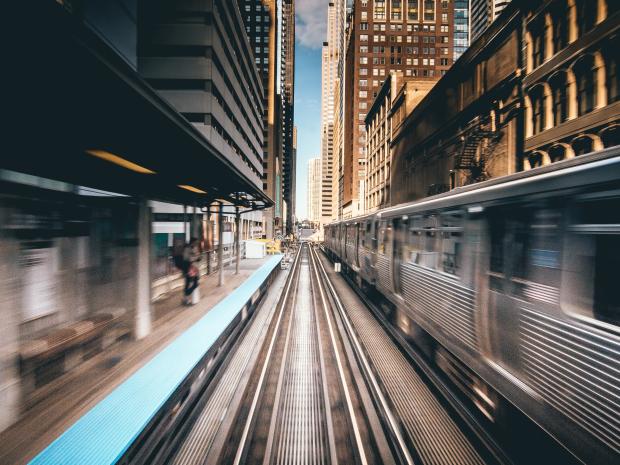
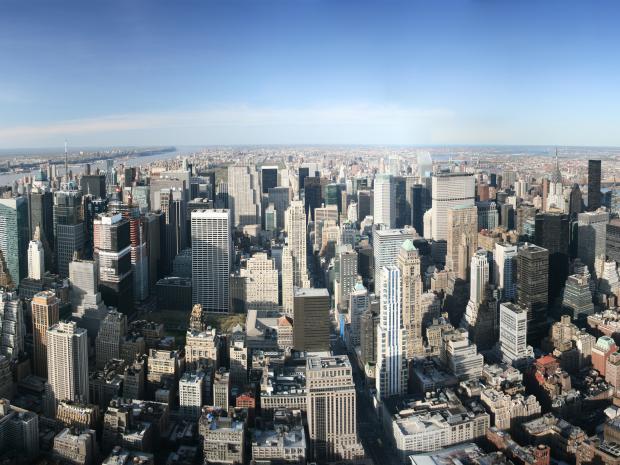
The biLAB focuses on understanding the operational challenges associated with construction and operation of facilities and infrastructure systems in urban settings.

Behavioral Urban Informatics, Logistics, and Transport Laboratory (BUILT)
BUILT @ NYU conducts research in the area of transportation systems design and modeling.
Human FUEL
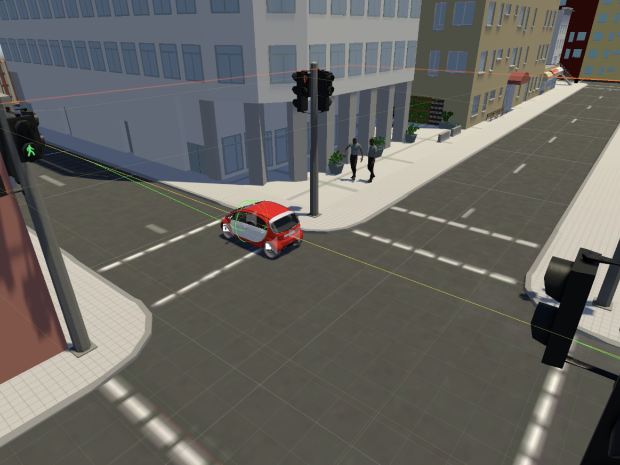
The Human Factors and Urban Ergonomics Lab (Human FUEL) conducts research primarily on transportation systems focusing on understanding and enhancing human behavior as they interact with complex systems, with the ultimate goal of improving operator safety and reducing injuries and fatalities.

Resilient Urban Networks Lab
The mission of the Resilient Urban Networks (RUN) Lab is to develop computational tools and data-driven models that help us better understand the complex interplay between collective human behavior and the built environment exposed to such drastic changes.

Urban Flooding Group
In a climate-changed world, flooding is expected to have an outsized influence on public health and infrastructure in urban areas. We are looking to develop a publicly- accessible platform that provides real-time flood information and to investigate changes to the microbiome.

Urban Intelligence Lab
We are focused on creating new data-driven methodologies to observe, model, and analyze the urban environment. Our work is grounded in solving real-world problems and providing decision-makers with a comprehensive understanding of the relationships between physical infrastructure systems, natural systems, and human systems.

Urban Modeling Group
The mission of the Urban Modeling Lab is to transform urban engineering by bridging the gap between civil engineering and computer science. Directed by Professor Debra Laefer, the Lab focuses on developing tools to better understand the urbanbuilt environment through pioneering new methods to optimize and synthesize multi-modal data collection, storage, and processing.
People
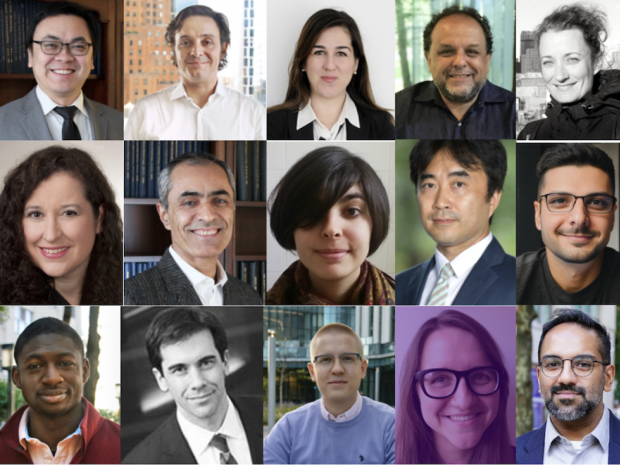
Urban Systems Faculty
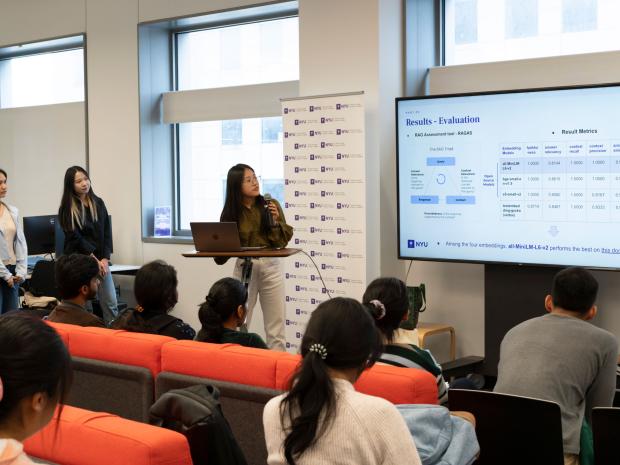
Urban Systems Doctoral Students
Doctoral Student Dissertations
- Equitable Access to Resources and Segregation in Activity Spaces, Callie Clark
- Development of Accessible Geospatial Tools for Multilingual Community Agency, Kim Hertz
- Embodied Experience and Cognitive Engagement in Architectural Spaces, Dana Karwas
- Data Fusion Approaches for Decision Support Across Multiple Scales and Lifecycle Stages in Transportation Infrastructure Management, Tu Lan
- Urban Surface Morphology Modeling Using Satellite Remote Sensing, Vivaldi Rinaldi
- Investigating Urban Green Space Engagement through Mobility Patterns and Visual Perceptions in High-Density Metropolitan Areas, Yichun Zhou
- Framework for the Assessment of the Urban Environmental Microbiome, Diedre Brown
- Urban Systems in Motion: Harnessing Mobility Data and Machine Learning to Explore Neighborhood Interactions and Socio-Spatial Change in the Post-Pandemic Era, Bartosz Bończak
- Prototyping the Urban Microclimate: A Framework for Modeling the Human Experience in Living Environments, Matthias Fitzky
- Advancing Holistic Urban Underground Space Development, Charan Kukunoor
- Towards Sustainable Urban Transportation Policy Evaluation and Infrastructure Allocation in NYC, Yanchao Li
- Toward Human-Centered Sustainable Urban Planning: Integrating Mesoscale Energy Modeling, Street-Level Imagery, and Human Perception, Qi Lin
- Quantifying Service Reliability and Safety: A Human-Centered Approach for Urban Transportation Issues, Enola Ma
- Long-term Adaptation of Human Communities to Flooding in Coastal Areas, Ricardo Negri
- Advancing Architectural Design through Deep Reinforcement Learning and Computational Optimization, Keundeok Park
- Assessment of Safety Impacts of Policy and Infrastructure Changes for App-Based, Food Delivery Drivers in New York City, Hannah Bonestroo
- Enhancing Neural Network Robustness Against Adversarial Attacks for Autonomous Vehicle Safety, Alice Chen
- Evaluating and Enhancing Universal Design for Accessibility in the Built Environment, Sreya Chakraborty
- Assessing the long-term environmental implications of internal migration, Udyama Chirammal Ramakrishnan
- The Assessment of Increased Weight of Electric Truck and Its Effects on Pavement and Bridge Infrastructure in New York City, Zerun Liu
- Impact of Climate Change on Cities: Predicting Building Energy Use in Future Climate Scenarios through a Hybrid Computational Approach, Heng Quan
- Urban Demand, Rural Supply: Energy, Infrastructure and Market Dynamics in Modern Food Systems, Anne Frances Durfee
- Advancing Geothermal Energy Adoption in the Global South and Caribbean, La-Toya Niles