

Enhancing Downtown Brooklyn's Retail Market Through Data-Driven Interventions
Mark Landolina, Senior Director, Real Estate and Economic Development, Downtown Brooklyn Partnership
MENTOR:
Takahiro Yabe, Assistant Professor in the Department of Technology Management and Innovation and at CUSP, NYU Tandon
Authors
Alex Xu, Divya Natekar
Research Question
The Downtown Brooklyn retail market is facing many challenges: shopper demographics are changing, storefront vacancy rates are high, and foot traffic in the neighborhood is still below pre-pandemic levels. With the help of CUSP, we plan to use a robust, data-driven research approach to analyze shopper behaviors, retail trends, and economic conditions in the district and analyze the impacts of potential interventions, such as public realm improvements and the presence of new businesses. This partnered research will create strong evidence to guide targeted interventions and inform stakeholders across the public and private sectors.
Background
Downtown Brooklyn has undergone a transformation and population boom in the last decade, but this rapid change has caused a confused and uncoordinated retail environment. Research is required to understand the underlying forces shaping the retail landscape. This includes agent-based models to understand the impacts of certain closures or openings in retail and new residential housing. This also includes identifying the different retail markets served in the neighborhood, where synergies exist, where conflicts exist, and how to better guide tenant mixes and initiatives that maximize the area's potential. Using cell phone location-based data to understand the patterns of who visits, where they travel to, and where they do not travel to can illuminate opportunities for capturing larger market share in our trade area.
Methodology
- Continuously monitoring and analyzing shopper behaviors, retail trends, and economic conditions in Downtown Brooklyn
- Mapping the changing retail geography, identifying where local-oriented businesses are thriving and where gaps remain
- Modeling the impacts of potential interventions (e.g. new anchor tenants, public realm improvements, or incentive programs) on foot traffic, co-tenancy dynamics, and overall ecosystem health
- Using predictive analytics to anticipate how demographic shifts and consumer preferences might evolve in the next 3-5 years
Deliverables
-
Final presentation of project findings and report
Data Sources
- Downtown Brooklyn Partnerships’s retail inventory
- Placer.ai data
- Downtown Brooklyn Consumer Sentiment Survey
Fall 2025 Urban Science Intensive I Instructor
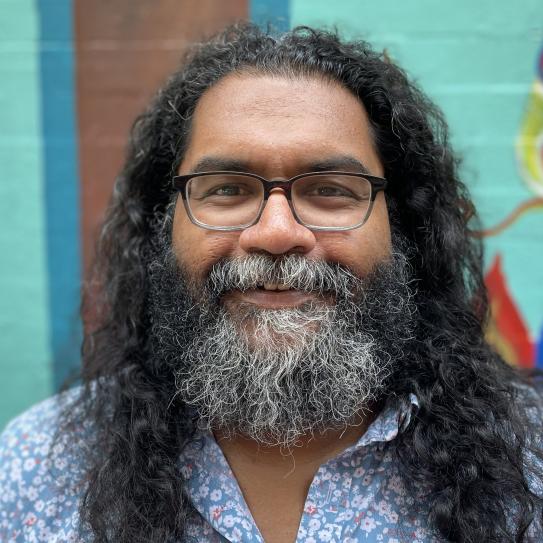
Manny Patole
Spring 2026 Urban Science Intensive II Instructor

Hanxue Wei
Fall 2025 Urban Science Intensive I Instructor
Manny Patole
Spring 2026 Urban Science Intensive II Instructor