
NYU Project Explores the Hidden Environmental Cost of Our Digital Lives
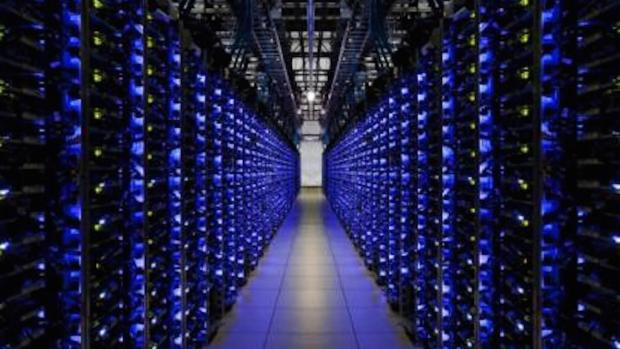
When someone streams a video, trains an AI model, or stores photos in "the cloud," where does that data actually go? The answer: large data centers.
These centers have recently become the subject of headlines, due to their energy and environmental footprint, but it can be hard for regular users of AI and other digital technologies to understand the scale of the problem or how it affects them.
Although the physical infrastructure supporting these technologies — and the impacts on people and ecosystems — are out of view from day-to-day users, a new interdisciplinary project at New York University is working to change that.
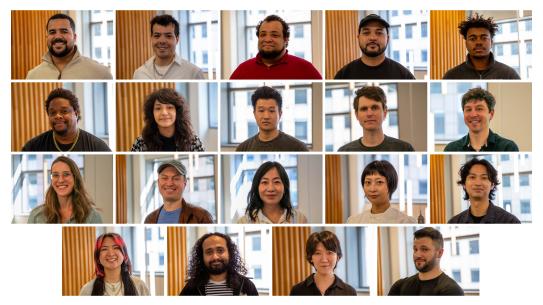
Led by Manny Patole from NYU's Center for Urban Science and Progress (CUSP), the initiative brings together a team of engineers, legal scholars, environmental experts, digital media specialists and computer scientists from across NYU's global campuses, including the Guarini Center on Environmental, Energy, & Land Use Law, the NYU IT department, the NYU Abu Dhabi Computer Science program, and Tisch’s Interactive Telecommunications Program. Their mission is to better understand the environmental and social costs of the digital infrastructure that powers our increasingly AI-driven world, with a focus on large institutional users and impacted communities.
"We rely on this metaphor of 'the cloud,' but there's nothing ethereal about it," the team explains. "These are physical facilities with real impacts on real communities, and with the AI boom, those impacts are growing exponentially."
The stakes are particularly high for communities near data centers — and potentially even more so for those communities near the infrastructure that supports them — which often bear the brunt of environmental consequences. The project aims to develop tools to make these impacts visible and measurable to governments, institutions, consumers, and the general public.
Funded by NYU's Fall 2025 Goddard Impact Award, the project’s participants are now building a comprehensive knowledge base, with CUSP students conducting hands-on research through the university's Guided Study program. They're investigating everything from how data centers function to their infrastructure demands and their ripple effects on surrounding communities. The goal is to create an accessible resource that helps residents, planners, policymakers, and community organizations understand what a data center does and how it affects daily life.
Looking ahead, the team plans to develop a public-facing tool that could serve as a template for communities nationwide. Using CoreSite NY2 (a data center that serves NYU itself) as a working example, they hope to create a model that others can adapt to examine the data centers in their own backyards, providing a window into an often-unseen world.