
A ‘Cancer Lab’ on Chip: Transforming Cancer Diagnosis and Treatment
Speaker:
Weiqiang Chen, Ph.D.
Professor, Department of Biomedical Engineering,
Department of Mechanical and Aerospace Engineering
New York University Tandon School of Engineering
Member, Perlmutter Cancer Center, NYU Langone Health
Abstract:
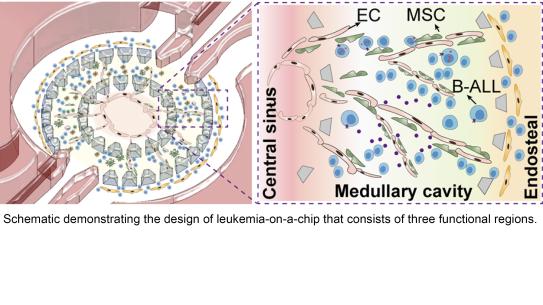
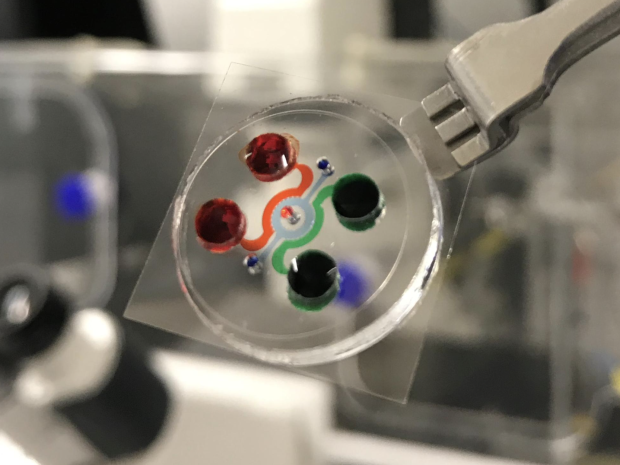
Micro- and nanoengineered “cancer-on-a-chip” platforms are reshaping our ability to model, diagnose, and treat cancer. Cancer progression and therapeutic response are governed by complex, dynamic interactions among tumor cells, stromal components, immune cells, biochemical cues, and mechanical forces. Conventional cell culture and animal models capture only limited aspects of this complexity and often fail to predict patient-specific responses. To address these limitations, Prof. Chen’s laboratory develops integrated microfluidic and organ-on-a-chip systems that reconstruct key features of human tumor microenvironments with high fidelity and experimental control. The presentation will highlight organotypic cancer models that recapitulate both solid and liquid tumors, including patient-specific glioblastoma-on-a-chip and leukemia-on-a-chip platforms. These systems enable real-time interrogation of angiogenesis, immune suppression, extracellular matrix interactions, and therapy resistance under physiologically relevant conditions. By incorporating primary patient samples, immune components, and tunable biochemical and mechanical cues, these “cancer labs on chip” provide a powerful ex vivo testbed for stratifying patient responses and evaluating emerging therapies such as immune checkpoint inhibitors and CAR T-cell treatments. In addition, Prof. Chen will discuss advances in cancer mechanobiology enabled by microfluidic and micromechanical tools for high-throughput, label-free profiling of single-cell mechanical properties. Measurements of cell deformability, adhesion, and force generation offer new biomarkers for malignancy, metastatic potential, and cancer stem cell phenotypes. Together, these microengineered biosystems point toward a future in which cancer diagnosis and treatment are guided by patient-specific assays — bringing precision oncology closer to clinical reality.
Dr. Chen received his B.S. in Physics from Nanjing University in 2005, M.S. degrees from Shanghai Jiao Tong University in 2008 and Purdue University in 2009, both in Electrical Engineering. He earned his Ph.D. in Mechanical Engineering from the University of Michigan in 2014. Dr. Chen is a Fellow of the American Heart Association (FAHA), a Senior Member of the Institute of Electrical and Electronics Engineers (IEEE), a council member of the Biomedical Engineering Society Cellular and Molecular Bioengineering Special Interest Group (BMES CMBE-SIG, 2023-2026), and a standing member of the NIH Study Section on Cellular and Molecular Technologies. He is the recipient of numerous awards, including Fellow of American Heart Association (2023), Micro and Nanoengineering Young Investigator Award (2021&2022), Healthy Longevity Award, NY Academy of Sciences and Japan Agency for Medical Research and Development (2021), BMES Cellular and Molecular Bioengineering Rising Star Award (2021), NIH-NIGMS Out-standing Investigator Award) (2019), Lab on a Chip Emerging Investigator Award (2018), National Institute of Biomedical Imaging and Bioengineering Trailblazer Award (2018), to name just a few.