
From Birth to Recovery: Engineering Approaches to Tackling Brachial Plexus Injuries
Speaker:
Anita Singh, MD, PhD
Professor Chair, Bioengineering Department
Temple University, Philadelphia, PA
Abstract:
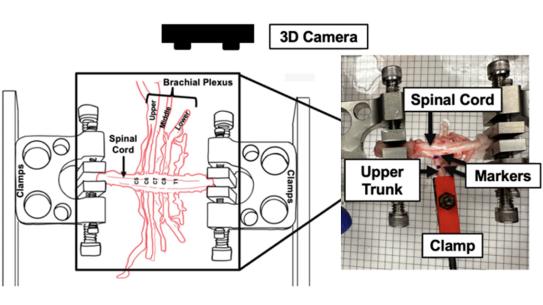
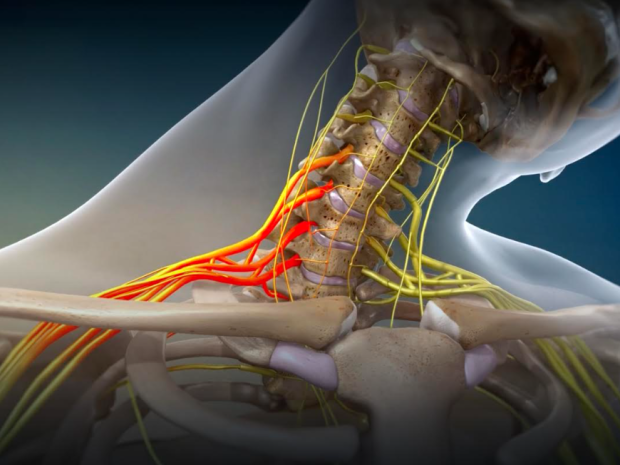
Treatment and prevention of nervous system injuries require a detailed understanding of the injury mechanisms. Bioengineering approaches such as biomechanical testing, neurophysiological recordings, proteomic & immunohistochemical techniques, and computational modeling can be used to understand both central and peripheral nervous system injuries. This talk will elaborate on the use of various bioengineering techniques to determine the injury threshold values for neonatal brachial plexus palsy (a birth-related complication). We will present failure strains and loads that lead to brachial plexus avulsion and rupture injuries. We will also shed light on ongoing efforts to determine the functional, systemic biomarkers and structural changes in the neonatal brachial plexus that can help with diagnosis, prognosis, and treatment of neonatal brachial plexus palsy. A detailed understanding of injury mechanisms will lead to promising treatment options that can enhance recovery. This talk will provide a brief overview of our approaches, findings, and our bench-to-bedside efforts.
Dr. Singh earned her M.S. and Ph.D. from Wayne State University, Detroit, in Biomedical Engineering. Subsequently, she completed her postdoctoral fellowship at the Lankenau Hospital, Philadelphia, followed by an appointment as a Research Associate and the co-Director of Behavior and Biomechanics Core at Drexel University, College of Medicine. She also has industrial experience in a medical device company. Her research has focused on understanding neural injuries in the brain, spinal cord, and peripheral nerves. She is currently involved in understanding the biomechanical, functional, and structural injury thresholds for neonatal brachial plexus palsy. Her work has been published in top journals, including the Journal of Biomechanics, Brain Injury, and Journal of Neurotrauma, and she has presented and received awards at national and international conferences. She is also a recipient of the prestigious NIH R01 and NSF-CAREER awards and has additional funding from several federal agencies, foundations and the Department of Defense.