
Using Biomechanical Principles to Engineer the Next Generation of Immunotherapies
Speaker
Benjamin Y. Winer, PhD
Assistant Professor, Dept. of Cell Biology
NYU Grossman School of Medicine
Abstract
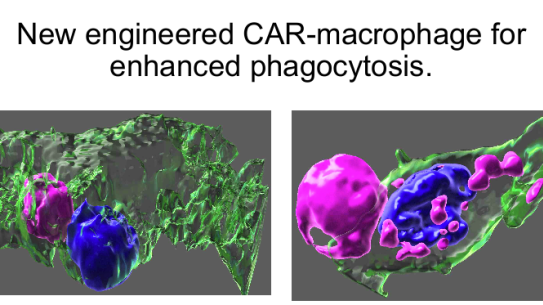
To effectively fight off infections and to identify and clear cancerous cells requires coordination between the innate and adaptive immune system. Key mediators of this cross communication are professional phagocytic cells. Phagocytes are an essential component of the innate immune system surveying tissues for pathogenic microbes, cancerous cells, and cellular debris, which they ingest and destroy via a cellular uptake response known as phagocytosis. Phagocytosis is an intensely physical process requiring utilization of excess lipid at the plasma membrane and the underlying cytoskeleton to form a phagocytic cup and for target engulfment to occur. Exuberant and unregulated phagocytic activity, however, can also lead to disorders like autoimmune disease. Interestingly, phagocytosis strongly inhibits migration the process of immune cells traversing tissue. Indicating that there is cross regulation between the two cellular programs. The Winer lab has discovered a set of biochemical pathways that regulate immune cell mechanics. The seminar will focus on a set of novel technologies that the lab has developed and leverage to better understand how immune cells integrate chemical and physical information from their surrounding environment. Ongoing projects related to how these biomechanical principles can be leveraged to create new immunotherapies for solid tumors, neuroimmune disorders, autoimmunity, and for the treatment of infectious disease will be discussed.
Dr. Winer grew up between Tokyo, Japan and Washington, D.C. He got his undergraduate degree in chemistry and biophysics from The College of William and Mary and a masters in biophysics from Johns Hopkins where he worked on understanding how proteins fold using thermodynamic principles. Dr. Winer then switched fields and did his PhD research on infectious disease in the lab of Dr. Alexander Ploss (Molecular Biology) working closely with Dr. Tom Muir (Chemistry) at Princeton University. Ben working on the development of advanced organoid and engineered humanized mouse models to study human tropic pathogens like hepatitis B (HBV), hepatitis C (HCV), hepatitis delta (HDV), HIV, and the malaria parasite. This work inspired Ben to pivot fields again into immune cell biology and biomechanics. Dr. Winer was awarded a Schmidt Science Fellowship and Cancer Research Institute postdoc award to do a joint postdoctoral research between the labs of Morgan Huse (MSKCC), Orion Weiner (UCSF) and Jason Cyster (UCSF/HHMI) where he made discoveries into how immune utilize mechanical forces to sense their surroundings. His lab was established earlier this year at NYU Grossman School of Medicine and focuses on defining the molecular logic utilized by immune cells to decide between different effector function like kill, eat, move, or trapping and how when this decision-making process goes awry infections or disease can occur. He has been awarded a NIAID DP2 new innovator award and a Burroughs Wellcome Careers at the Interface of Science award to set up his lab.