

Chemical and Biomolecular Engineering
Chemical and Biomolecular engineers are solving some of the world’s most pressing problems.
How can we make more efficient solar cells? Can a protein be engineered to better fight cancer? Is it possible to manufacture synthetic fabric without fossil fuels? Can nanotechnology be used to prevent disease?
Researchers in the Department of Chemical and Biomolecular Engineering are exploring all that and more. If you are interested in working at the molecular level to address issues at the global level, Chemical and Biomolecular Engineering might be the course of study for you.
CBE Highlights




Department Information
Undergraduate Degrees
Chemical and Biomolecular Engineering, B.S.
Explore Chemical and Biomolecular Engineering
Biomolecular Science, B.S.
Explore Biomolecular Science
Graduate Degrees
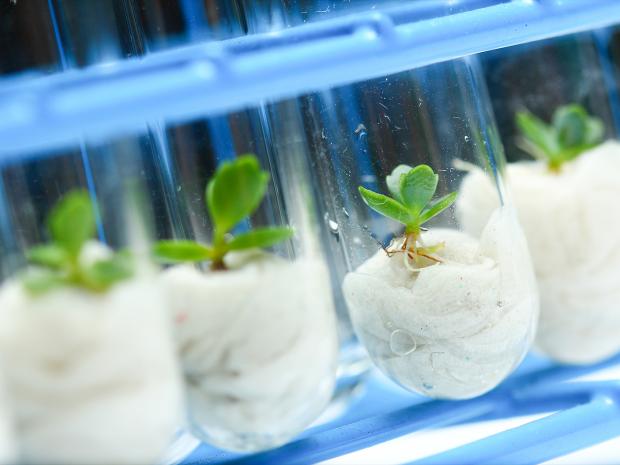
Biotechnology, M.S.
Biotechnology is a swiftly growing industry. From the food grown at our farms to the medicine we buy and the ways we clean up the environment, biotechnology affects many facets of our daily lives.
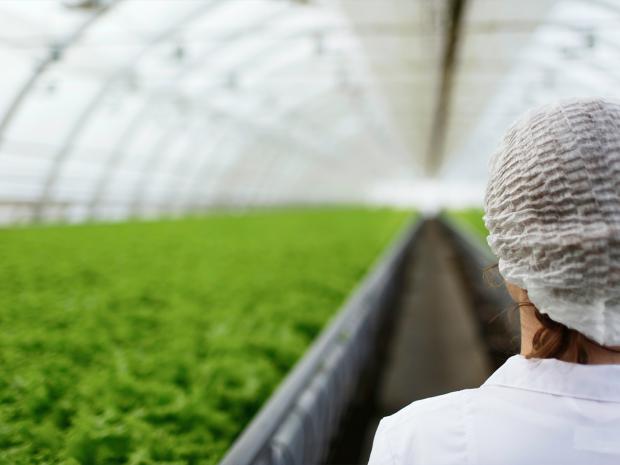
Biotechnology and Entrepreneurship, M.S.
Analysts predict biotechnology will be one of the most important applied sciences in the 21st century. Every day welcomes another advancement in the field and a chance to grow a business.
Chemical Engineering, M.S.
Chemical engineering is a rapidly expanding field requiring interdisciplinary engineers educated in both the molecular and medical sciences, who will find a way to develop and implement discoveries on a large scale.

Chemical Engineering, Ph.D.
The Ph.D. in Chemical Engineering program at the School of Engineering prepares you to be interdisciplinary engineers who develop and implement groundbreaking discoveries on a large scale.


